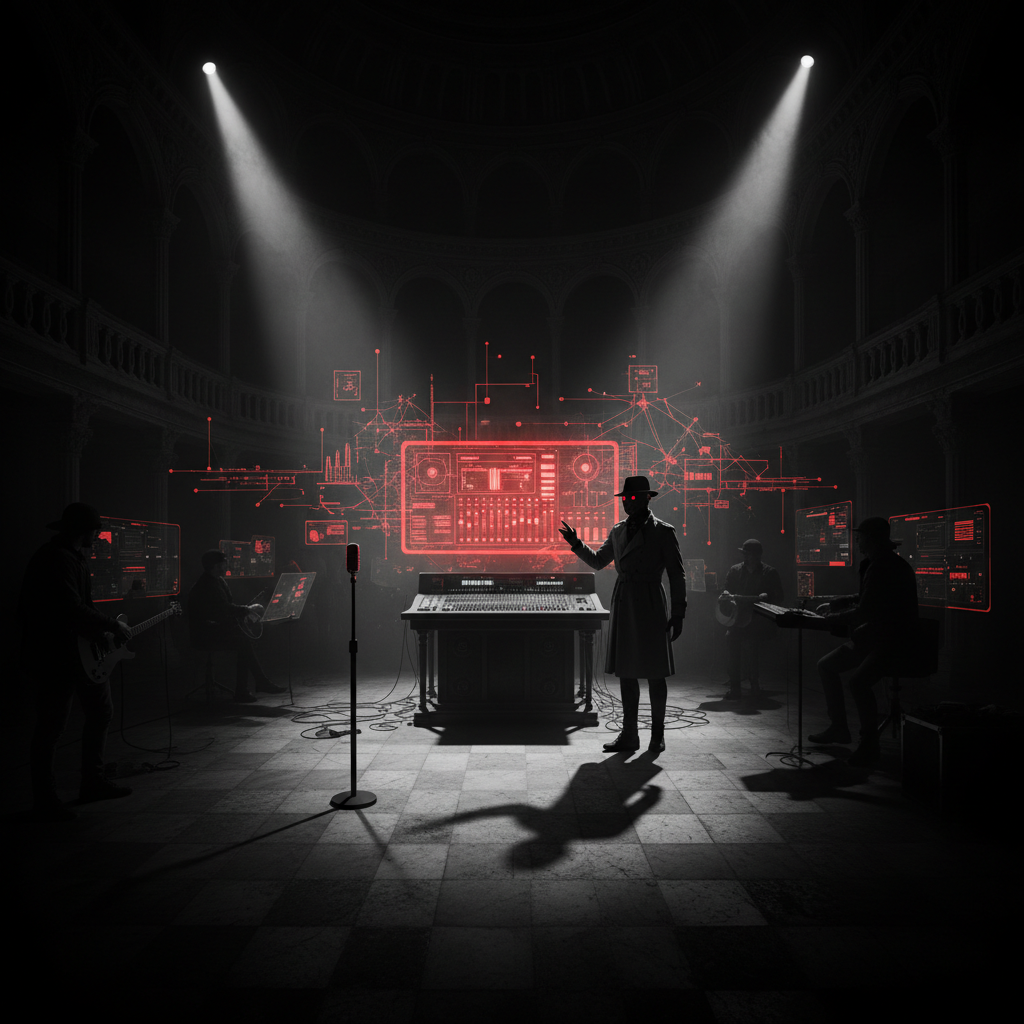
Discover how AI is quietly revolutionizing live music production, from real-time mixing and noise cancellation to smarter sound engineering. No robots, just better shows.
Live music has always been about raw energy, human connection, and the thrill of the unexpected. But what if I told you that behind the mixing boards and stage setups, artificial intelligence is quietly reshaping the entire experience? It's not about robots replacing musicians or soulless algorithms taking over. It's about giving sound engineers, producers, and artists tools that make live shows sound better, run smoother, and feel more immersive than ever before.
### How AI Helps Sound Engineers Work Smarter
Think about the chaos of a live concert. You've got dozens of instruments, vocals, crowd noise, and room acoustics all fighting for space. A human sound engineer can only do so much with their hands and ears. That's where AI steps in.
Modern AI systems can analyze audio in real time, adjusting EQ levels, compression, and reverb automatically. They learn from past performances and adapt to the room's quirks. It's like having a second engineer who never gets tired and never misses a beat. The result? Cleaner mixes, fewer feedback loops, and a more consistent sound for the audience.
### Real-Time Mixing and Noise Cancellation
One of the biggest headaches in live production is unwanted noise. From a buzzing amp to a cough in the front row, these distractions can ruin a recording or distract the crowd. AI-driven noise cancellation tools now filter out these sounds without affecting the main performance.
- **Smart gates** that open only when a specific instrument plays
- **Adaptive reverb** that changes with the room's temperature and humidity
- **Automatic feedback suppression** that learns the venue's resonant frequencies
These features used to require expensive hardware and a lot of manual tweaking. Now, they're built into software that runs on a standard laptop. It's a game-changer for small venues and touring acts with limited budgets.
### The Human Touch Still Matters
Let's be clear: AI isn't here to replace the creative spark. It's a tool, just like a compressor or a reverb pedal. The best live sound still comes from an engineer who knows the music and the room. But AI can handle the repetitive, technical stuff so the human can focus on the art.
"AI is like having a super-smart assistant," one sound engineer told me. "It handles the boring adjustments so I can listen to the vibe of the crowd and make decisions that a machine never could."
### What This Means for Fans
For the audience, the changes are subtle but powerful. You might not notice the AI working, but you'll definitely notice when it's not. Cleaner vocals, tighter bass, and fewer technical glitches mean you stay lost in the music instead of being pulled out by a bad mix.
And here's the cool part: some AI tools can even personalize the live experience. Imagine a concert where the sound adjusts to where you're standing in the venue, or where the lighting syncs perfectly with the music's emotional arc. That's not science fiction anymore. It's happening right now in clubs and arenas across the country.
### The Bottom Line
AI is changing live music production, but not in the way you might fear. It's not about taking jobs or making music sterile. It's about removing barriers so the magic of a live performance can shine through. For professionals in the industry, learning these tools isn't optional anymore. It's the new standard.
So next time you're at a show and everything sounds flawless, give a nod to the AI working behind the scenes. And then give a bigger nod to the human engineer who knows how to use it.