Aston Martin & Honda Push for F1 Performance Gains in 2026
Carmen López ·
Listen to this article~4 min
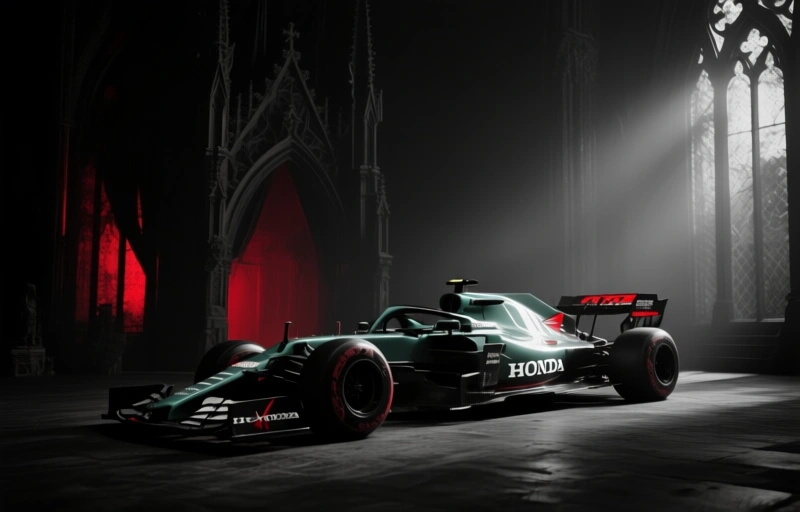
Aston Martin and Honda are deep in development for the 2026 F1 season, working tirelessly to master new regulations. Their integrated technical partnership could be a key advantage in the chase for performance.
Let's talk about what it really takes to compete at the absolute pinnacle of motorsport. It's not just about showing up on race weekend with a fast car. The real work happens behind the scenes, in the wind tunnels and on the dynos, where engineers chase thousandths of a second. Right now, Aston Martin and Honda are deep in that grind, working 'flat out' as they prepare for the massive 2026 regulation changes.
It's a fascinating partnership. You've got a legendary British luxury brand with a rich racing history, teaming up with a Japanese engineering powerhouse known for its relentless pursuit of efficiency. Together, they're facing one of the biggest technical challenges in recent F1 memory. The 2026 rules aren't just a tweak; they're a complete overhaul that will redefine what a Formula 1 car is.
### The 2026 Challenge: More Than Just New Parts
So, what's changing? Almost everything. The cars will be smaller, lighter, and rely much more on electrical power. The internal combustion engine's role is being reduced, making the hybrid system and energy recovery the new battleground. For a power unit supplier like Honda, this is their moment to shine. They're not just building an engine anymore; they're creating an integrated energy system.
For Aston Martin, it's about packaging. How do you fit this new, complex powertrain into a tighter, more aerodynamically efficient chassis? Every decision in the design office now has a ripple effect. A component that saves half a pound might allow for a more aggressive rear wing design, which could translate to crucial downforce in high-speed corners.
They're chasing gains everywhere. It's a holistic approach:
- Aerodynamic efficiency for less drag
- Powertrain reliability for consistent performance
- Energy management to deploy power strategically
- Driver feedback to fine-tune the car's behavior
This isn't a nine-to-five job. The teams are operating on a continuous development cycle, analyzing data from simulations and last season's races to inform every new part. As one engineer put it, 'The clock never stops ticking in Formula 1. If you pause, you're already behind.'
### Why This Partnership Could Be a Game-Changer
There's a unique dynamic here. Honda brings decades of experience in creating championship-winning power units. They understand the marriage of mechanical and electrical systems better than almost anyone. Aston Martin, under the leadership of Fernando Alonso and a hungry technical team, provides the relentless drive and chassis expertise.
Their collaboration goes beyond a simple customer-supplier relationship. It's a true technical partnership where data and ideas flow both ways. This integrated approach could be their secret weapon. While other teams might have separate departments working in silos, Aston Martin and Honda are trying to build the car and engine as one cohesive unit from the start.
Think of it like building a custom suit versus buying one off the rack. The 2026 car will be tailored perfectly to the 2026 power unit, with no compromises. That level of synergy is incredibly hard to achieve, but the potential performance payoff is enormous.
The road to 2026 is a long one, filled with late nights and complex problems. But for Aston Martin and Honda, the goal is clear: arrive at the first race not just ready to compete, but ready to win. The work they're doing now, in the quiet labs far from the glamour of the grid, will determine where they stand when the lights go out in two years' time. It's a high-stakes engineering marathon, and they're just hitting their stride.