Banned South African Art Finds Venue Outside Venice Biennale
Carmen López ·
Listen to this article~4 min
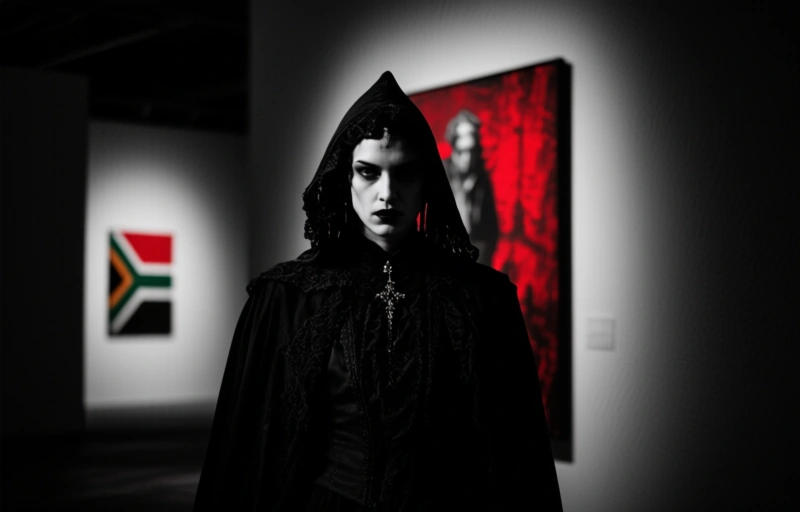
A controversial South African artwork banned from the Venice Biennale's main exhibition will be shown independently nearby, sparking debate about censorship and artistic freedom in the global art scene.
So, here's a story that's got the art world talking. A South African artwork that was supposed to be part of the prestigious Venice Biennale got banned from the main event. But here's the twist—it's not disappearing. Instead, it's finding a home just outside the official gates. It's a classic case of art finding a way, even when the doors seem closed.
This situation raises some big questions about censorship, representation, and who gets to decide what art is 'acceptable' for a global stage. The Venice Biennale is one of the most important contemporary art exhibitions in the world, so being excluded is a significant statement. But sometimes, being pushed to the margins creates an even more powerful platform.
### Why Was the Artwork Banned?
We don't have all the official details yet, but these kinds of decisions usually come down to content. The work might have been deemed too politically charged, too controversial, or perhaps it didn't align with the specific curatorial vision for the national pavilion. It's a reminder that even in 2026, art can still challenge boundaries and make institutions uncomfortable.
The fact that it's South African art adds another layer. The country has a complex and powerful artistic tradition, often grappling with themes of apartheid, identity, and social justice. Art from this context doesn't always fit neatly into a curated box.
### The Power of an Alternative Space
What's fascinating is the plan to show the work independently, outside the main Biennale grounds. This isn't just a consolation prize. It can be a powerful act of defiance and community-building. It creates a parallel conversation, one that might be more raw and immediate than what's happening inside the official venues.
Think about it. Visitors will now have two experiences: the sanctioned, official Biennale, and this unsanctioned, rebellious exhibition just a short walk away. It forces a comparison and asks the audience to think critically about what they're seeing and why.
- It challenges the authority of major art institutions.
- It highlights issues of global representation and voice.
- It creates a grassroots, artist-led narrative.
This move turns a rejection into a potential strength. The story of the ban itself becomes part of the artwork's meaning and impact.
### What This Means for Artists Everywhere
If you're an artist or someone who cares about creative freedom, this story hits home. It shows the ongoing tension between institutional validation and independent expression. Sometimes, the most resonant work exists outside the established systems.
As one curator recently noted, "The most interesting conversations in art often happen in the spaces between the official programs." This South African work is now positioned to spark exactly that kind of conversation. Its physical location—outside the main event—becomes a metaphor for its conceptual stance.
In the end, this isn't just about one piece of art. It's about who controls the narrative in the global art scene. It's about visibility and the constant negotiation between artists and the gatekeepers of culture. The work will now be seen in a context of resistance, which might ultimately give it more power and relevance than if it had been quietly included in the official lineup. That's a lesson for all of us, whether we're in the art world or not. Finding your own platform can sometimes be the most authentic path forward.