Boston Dynamics Trains Humanoid Robots for Hard Work
Carmen López ·
Listen to this article~4 min
Boston Dynamics is training humanoid robots to handle real physical labor using advanced simulation and reinforcement learning. These robots could transform dangerous or repetitive jobs in warehouses, factories, and construction sites.
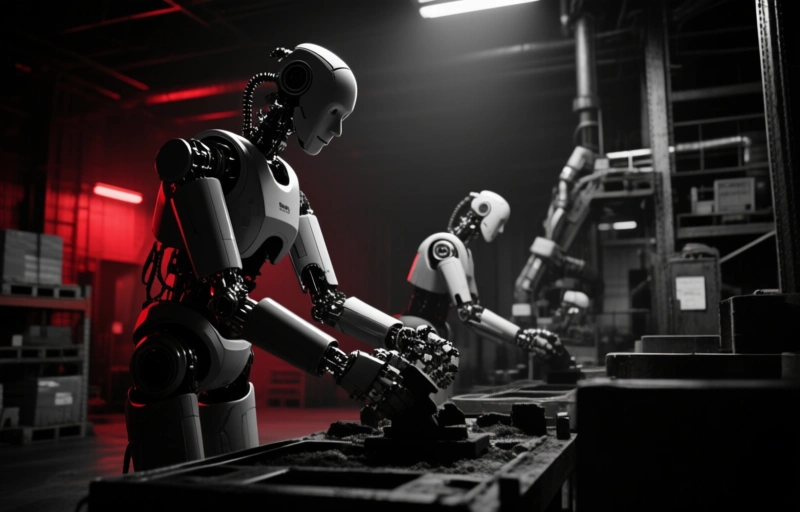
Boston Dynamics has been turning heads for years with their robots that move like living creatures. But now they're taking a huge leap forward. They're training humanoid robots to handle real, physical labor. And it's not just about walking or balancing anymore. This is about machines that can actually do the hard jobs humans don't want.
### Why Humanoid Robots Matter
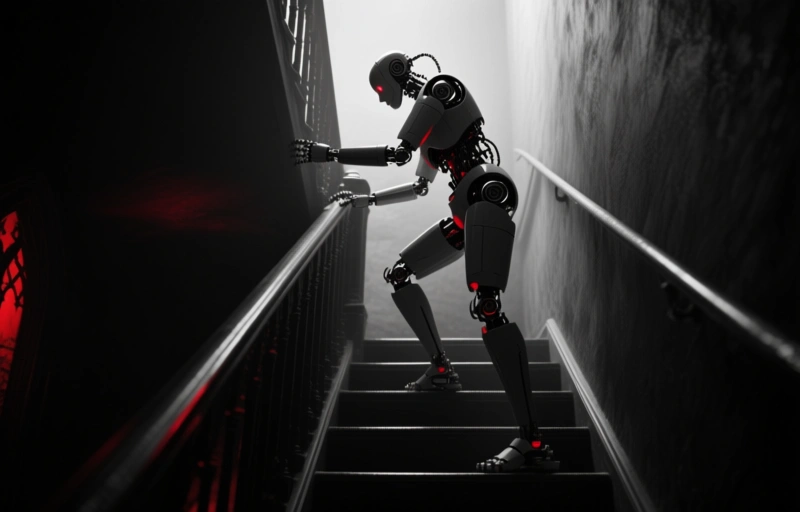
Think about all the tasks that require a human shape. Climbing stairs, opening doors, using tools. Regular robots on wheels just can't handle that. But a humanoid robot can step into environments built for people. That's the whole point. Boston Dynamics wants robots that can work in factories, warehouses, and construction sites without redesigning everything.
### How They Train These Robots
Training a humanoid robot isn't like teaching a dog tricks. It involves massive amounts of data and simulation. The robot learns through trial and error in virtual environments first. Then it practices in the real world. Boston Dynamics uses reinforcement learning, which is basically rewarding the robot for getting closer to the goal. Over time, the robot figures out how to lift heavy objects, maintain balance, and recover from stumbles.
Here's a quick look at what goes into the training process:
- Simulated environments where the robot fails thousands of times without breaking anything
- Real-world testing with safety harnesses and soft flooring
- Continuous feedback loops that refine movement patterns
- Specialized algorithms for balance and grip strength
### What Kind of Work Can They Do?
The goal is to have these robots handle tasks that are dangerous, repetitive, or physically demanding. Think about lifting 50-pound boxes all day, or working in extreme temperatures. Boston Dynamics is aiming for robots that can:
- Move heavy equipment across a job site
- Assist in assembly line tasks that require precision
- Perform inspections in hazardous areas like chemical plants
- Carry supplies up multiple flights of stairs
"We're not building a robot that replaces humans," says a lead engineer. "We're building a tool that makes hard work safer and more efficient." That distinction matters because it frames the technology as a partner, not a threat.
### The Technology Behind the Movement
What makes Boston Dynamics different is their focus on dynamic movement. Most robots move stiffly and carefully. But humanoid robots from Boston Dynamics use advanced sensors and actuators to move more naturally. They can adjust their posture in real time, shift their weight, and even catch themselves if they start to fall. This is crucial for any job that involves uneven terrain or unexpected obstacles.
### Challenges Still Ahead
It's not all smooth sailing. Humanoid robots are still expensive to build and maintain. A single unit can cost hundreds of thousands of dollars. Battery life is another issue. Current models can only work for a few hours before needing a recharge. And there's the software challenge of making these robots understand complex commands without human intervention.
But the progress is real. Boston Dynamics has shown that humanoid robots can learn to do things that seemed impossible just a few years ago. As the technology improves and costs come down, we might see these robots working alongside humans in more and more industries.
### What This Means for the Future
For professionals in robotics, manufacturing, and logistics, this is a big deal. It means that the next decade could bring a wave of automation that doesn't just replace simple tasks but handles entire workflows. For the rest of us, it's a glimpse into a future where robots are part of everyday work life. And that future is getting closer every day.