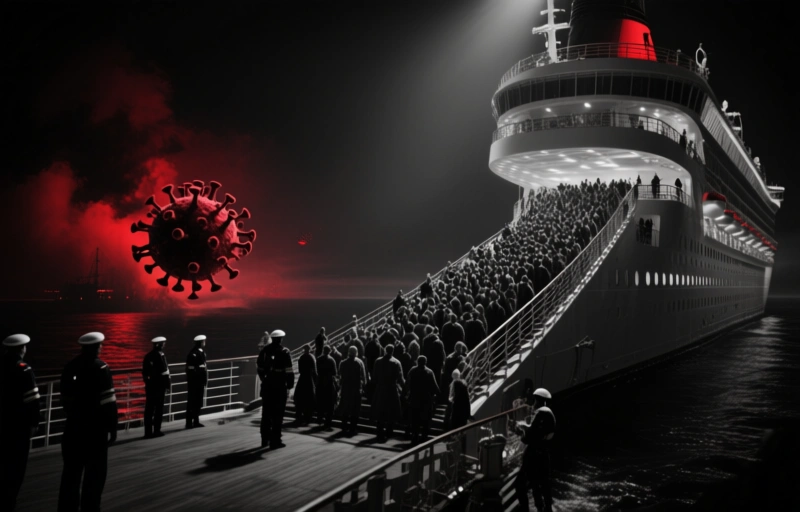
When a virus hits a cruise ship, getting everyone off safely is a massive operation. Discover how crews quarantine, screen, and disembark thousands of passengers step by step.
When a virus hits a cruise ship, things get messy fast. You've got thousands of people stuck in tight quarters, and nobody wants to be the one stuck onboard. So how do crews actually get everyone off safely? Let's break it down.
### The Real Challenge
Cruise ships are like floating cities. They've got casinos, restaurants, pools, and cabins stacked on top of each other. When a contagious virus spreads, you can't just open the doors and let everyone walk off. That would risk infecting the whole port city. Instead, authorities start with a careful plan.
First, they quarantine the ship. No one gets on or off without medical screening. The ship's crew works with local health officials to identify anyone who's showing symptoms. Those passengers get moved to a separate area, often a special deck or isolated cabins. It's not comfortable, but it's the only way to contain the spread.
### Step-by-Step Disembarkation
Once the ship docks, the operation kicks into gear. Here's how it typically unfolds:
- Medical teams board first. They check everyone's temperature and ask about symptoms. Anyone with a fever gets flagged.
- Healthy passengers go first. They're escorted off in small groups, usually 10 to 20 people at a time. Each group must keep a safe distance from the next.
- Everyone wears masks and gloves. Crew members hand out supplies at the gangway.
- Buses or vans wait at the dock. They take passengers directly to hotels or quarantine facilities. No wandering around the city.
- Sick passengers stay onboard. They're moved to a medical facility on shore once it's safe, often by ambulance.
### Why It Takes So Long
You might wonder why this process drags on for days. The answer is simple: logistics. A single cruise ship can carry over 5,000 people. Moving them off one by one, with all the safety checks, takes time. Plus, each passenger needs a place to go. Hotels have to be arranged, transportation coordinated, and local health systems prepared.
Think of it like a giant puzzle. Every piece has to fit perfectly, or the whole thing falls apart. And the stakes are high. A mistake could turn a localized outbreak into a citywide crisis.
### What Passengers Need to Know
If you're ever on a cruise that gets hit by a virus, here's what to expect:
- You'll be confined to your cabin for hours, maybe days. Bring books, snacks, and patience.
- The crew will bring meals to your door. It's not room service, but it's food.
- You'll get regular updates via the ship's intercom or TV system. But don't expect perfect information. Things change fast.
- Your luggage will be searched or screened. They're looking for anything that might carry the virus.
- Once you're off, you'll likely be quarantined for 14 days. That's the standard incubation period for most viruses.
### The Bottom Line
Cruise ship virus operations are a massive undertaking. They involve doctors, nurses, port authorities, hotel staff, and even the military in some cases. The goal is simple: get everyone off safely without turning the port into a new hotspot. It's not glamorous, but it works.
So next time you see a news story about a virus-hit cruise, you'll know exactly what's happening behind the scenes. And if you're ever on one of those ships, just remember: follow the crew's instructions, stay calm, and be ready for a long wait.