Digital Defense Starts With Awareness
Carmen López ·
Listen to this article~4 min
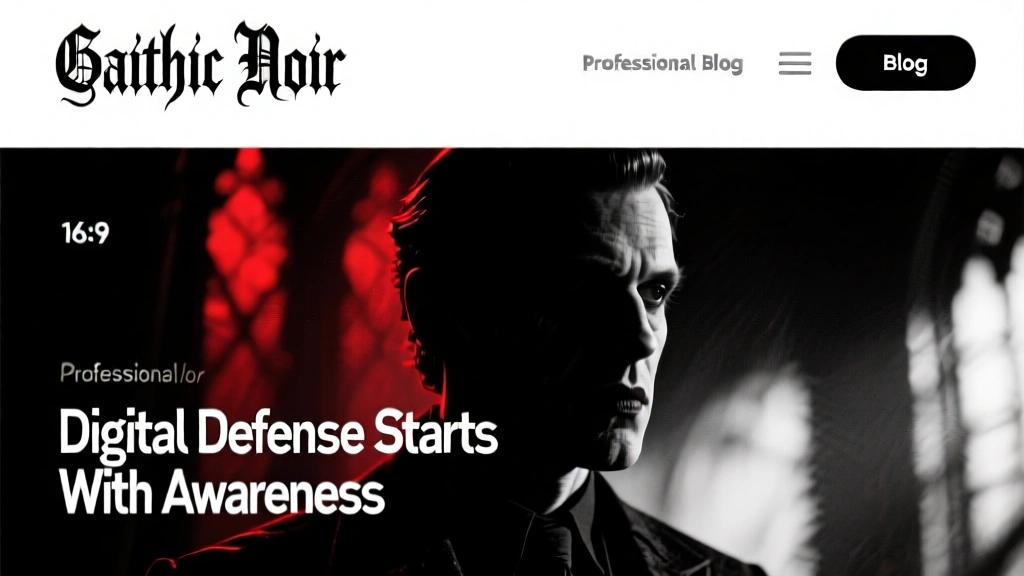
In our connected world, your own awareness is the most powerful tool for digital safety. Learn how simple habits and critical thinking form your first line of defense online.
You know that feeling when you're scrolling through your phone, and something just feels... off? Maybe it's a too-good-to-be-true deal, a weirdly personal ad, or a news story that seems designed to make you angry. That gut feeling? That's your first line of defense in our digital world. It's not a fancy firewall or a complex password. It's simple awareness.
We're living more of our lives online than ever before. From banking to socializing, it's all happening in the digital space. And just like you'd lock your front door at night, you need to develop habits to protect yourself here. The threats aren't always obvious hackers in dark rooms. Sometimes, they're subtle nudges, misinformation, or companies quietly collecting more data than you realize.
### Why Your Attention Is The New Battleground
Think about it. Every click, every like, every second you spend looking at a screen is valuable. Your attention is the currency of the digital age. And just like with real money, there are people and systems trying to get more of it from you, sometimes without you even noticing. The goal isn't to scare you off the internet. It's to help you navigate it with your eyes wide open.
Being aware means asking simple questions before you click. Who benefits from this post? Why am I seeing this ad *now*? Is this source trustworthy, or is it just telling me what I want to hear? It's about recognizing that not everything online is as it seems.
### Building Your Personal Digital Habits
So, what does this look like in practice? It's less about memorizing tech jargon and more about building good habits. Start small. Here are a few places to begin:
- **Pause before you share.** Take two seconds. Does that headline seem sensational? Check the source before you pass it on.
- **Review your privacy settings.** I know, it's a chore. But spending 10 minutes every few months checking the privacy settings on your major apps can make a huge difference in what data is collected about you.
- **Use strong, unique passwords.** A password manager app can do the heavy lifting here. Reusing the same password everywhere is like using one key for your house, car, and office.
- **Question the emotional pull.** If a post or message makes you feel extremely angry, fearful, or overly excited, take a breath. Strong emotions can cloud our judgment, and some content is designed specifically to trigger them.
As one cybersecurity expert I spoke to put it: "The most sophisticated security software in the world can't protect someone who willingly clicks on a dangerous link. The human element is always the first and last line of defense."
That really stuck with me. Our tools are only as good as our willingness to use them thoughtfully.
### Moving From Fear to Empowerment
This isn't about living in fear or paranoia. It's the opposite. It's about empowerment. When you're aware of how the digital landscape works, you take back control. You stop being a passive consumer of content and become an active, critical participant. You make conscious choices about what you engage with and what you ignore.
The digital world is amazing. It connects us, informs us, and entertains us. But like any powerful tool, it's best used with care and understanding. Start by just paying a little more attention to your own digital habits. Notice what you click, and why. That awareness, that moment of pause, is your most powerful shield. It's how we build a digital society that's not just connected, but also safe and resilient for everyone.