Frank Lloyd Wright: Reflecting the American Spirit
Carmen López ·
Listen to this article~4 min
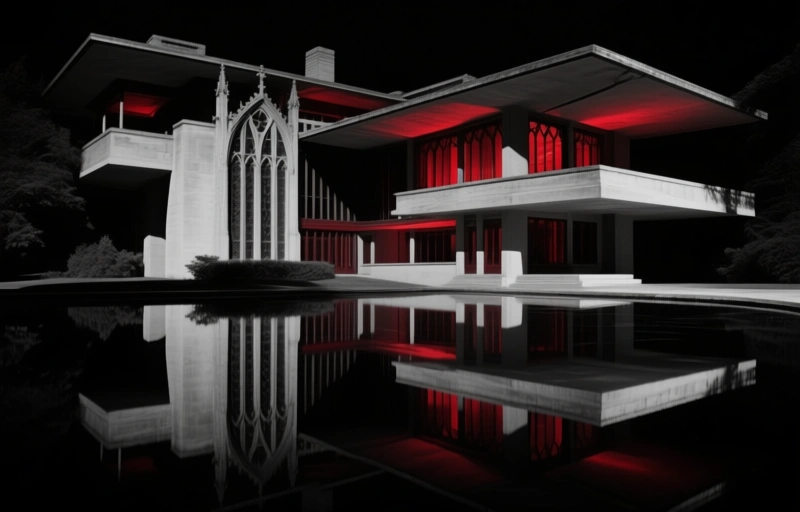
Frank Lloyd Wright's architecture reflects core American values—connection to land, individual expression, and breaking from tradition. His designs serve as a mirror to our national identity and aspirations.
You know, when you look at Frank Lloyd Wright's work, you're not just seeing buildings. You're seeing a story about America itself. It's like his designs hold up a mirror to who we are as a people—our dreams, our contradictions, our relentless push forward. I've spent years studying his work, and every time I walk through one of his spaces, I feel like I'm having a conversation with the American soul.
His architecture doesn't just sit there looking pretty. It speaks. It tells us about our relationship with the land, with technology, with each other. Wright believed buildings should grow from their sites, not just be plopped down on them. That idea alone says so much about how we see ourselves in this vast country.
### The Prairie Style and American Identity
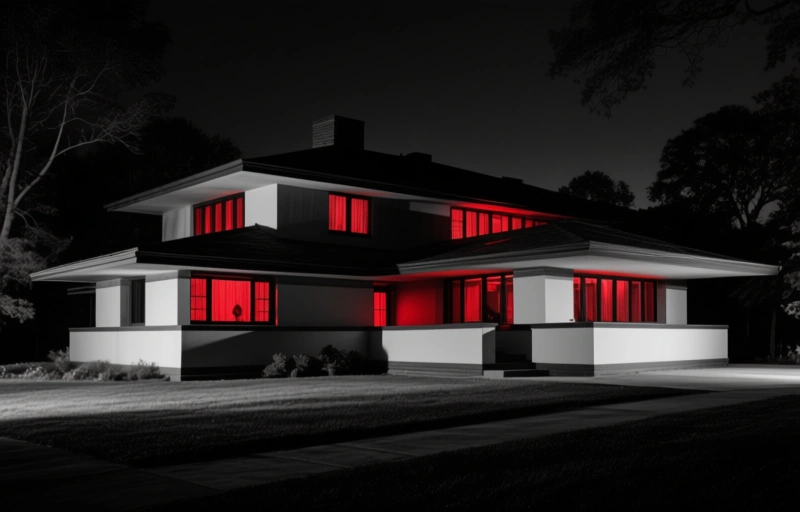
Take his Prairie Style homes. Low, horizontal lines that hug the earth. They weren't trying to dominate the landscape like those European castles. Instead, they whispered, "We belong here." The wide, open floor plans inside? They reflected how American families actually lived—less formal, more connected. Wright was designing for real life, not for show.
He once said something that stuck with me: "The physician can bury his mistakes, but the architect can only advise his client to plant vines." Isn't that just the most American thing? That practical, no-nonsense attitude mixed with creative problem-solving.
### Organic Architecture as American Philosophy
Wright's concept of organic architecture wasn't just about using natural materials. It was a whole philosophy. Buildings should be part of their environment, not separate from it. Windows became "light screens" that brought the outside in. Rooms flowed into each other without those boxy separations.
Think about how that mirrors American ideals:
- Connection to nature (even as we sometimes destroy it)
- Freedom of movement
- Breaking from old traditions
- Individual expression within community
His famous Fallingwater house in Pennsylvania literally cantilevers over a waterfall. Can you imagine the confidence—or maybe the audacity—to build something like that? Only in America, right?
### The Price of Genius and American Ambition
Here's the thing about Wright though—he was complicated. Brilliant but difficult. Visionary but stubborn. His personal life was messy, his finances were often a disaster, and he could be absolutely impossible to work with. Sound familiar? It's that classic American story of the brilliant, flawed individual pushing against boundaries.
His projects weren't cheap either. In today's dollars, some of his homes would cost millions. But people paid because they weren't just buying a house. They were buying into an idea about how to live.
### Why Wright Still Matters Today
We're still wrestling with the same questions Wright addressed. How do we build communities that feel connected? How do we balance technology with nature? How do we create spaces that nourish the human spirit instead of just sheltering bodies?
Wright's answer was always about integration. Not separation. His buildings teach us that our homes, our workplaces, our public spaces—they shape who we become. They're not passive containers. They're active participants in our lives.
So next time you see a Frank Lloyd Wright building, don't just admire the craftsmanship. Ask what it's saying about America. About you. The conversation is still happening, right there in the cantilevered roofs and the art glass windows. All you have to do is listen.