Glasgow Central's Emergency Closure: Major Engineering…
Carmen López ·
Listen to this article~4 min
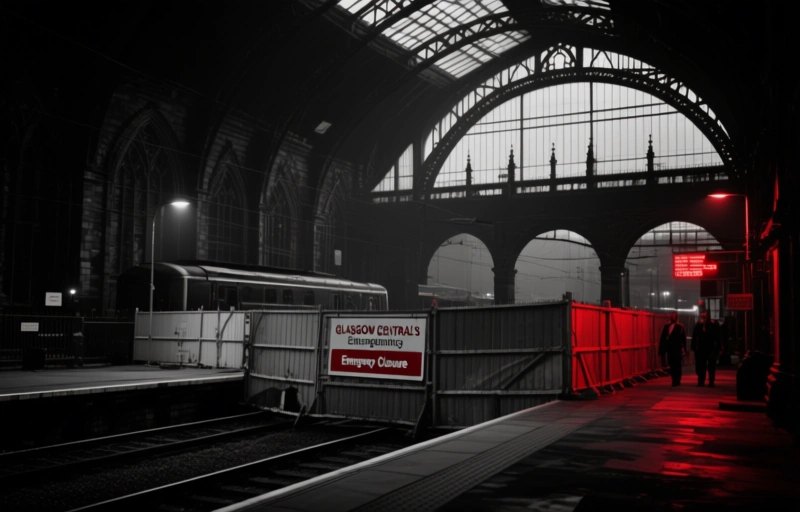
Glasgow Central Station turned an emergency closure into a major engineering opportunity, completing comprehensive upgrades that will improve reliability for years to come.
You know how sometimes things break at the worst possible moment? That's exactly what happened at Glasgow Central Station recently. An emergency closure forced the station to shut down completely, but instead of just fixing the immediate problem, engineers delivered something remarkable.
They turned a crisis into an opportunity, completing major engineering work that would normally take weeks or months. It's a story about planning, execution, and what happens when skilled professionals get to work under pressure.
### What Actually Happened During the Closure
When the emergency closure was announced, most people probably expected minimal repairs. You know, just enough to get things running again. But the engineering team had different plans.
They brought in specialized equipment and crews working around the clock. We're talking about structural assessments, track realignments, and system upgrades that typically require extensive planning and coordination. All completed while the station was supposed to be 'closed for emergency repairs.'
It reminds me of when you plan to fix a leaky faucet and end up remodeling the entire bathroom. Except in this case, the 'bathroom' serves thousands of passengers daily.
### The Scale of the Work
Let's talk numbers for a moment. The engineering work involved:
- Multiple track sections spanning over 1,500 feet
- Structural reinforcements to platforms and supporting beams
- Electrical system upgrades across critical station areas
- Drainage improvements to prevent future flooding issues
- Signal system checks and optimizations
What's impressive isn't just the quantity of work, but the coordination required. Different teams had to work simultaneously without interfering with each other's progress. It's like watching a perfectly choreographed dance, except everyone's wearing hard hats and carrying heavy equipment.
### Why This Matters for Commuters
Here's the thing most passengers might not realize. Emergency repairs usually mean 'quick fixes' - temporary solutions that get things running but need more work later. This approach was different.
By completing comprehensive engineering work during the closure, the station actually comes back stronger than before. Future disruptions are less likely. Maintenance needs decrease. The overall reliability improves.
Think of it this way: instead of patching a pothole every month, they rebuilt the entire road section. Sure, it takes longer initially, but you won't be dealing with the same problem next month.
### The Human Element Behind the Scenes
Let's not forget the people who made this happen. Engineers, technicians, project managers - all working under intense pressure with tight deadlines. They weren't just fixing something broken; they were improving infrastructure while everyone thought they were just doing emergency repairs.
One project manager described it as 'the most challenging coordination effort of my career.' Another engineer mentioned working 16-hour shifts to keep everything on schedule. That kind of dedication doesn't happen by accident.
### Looking Forward: Lessons Learned
This emergency closure turned engineering success story offers some valuable lessons. First, having contingency plans that go beyond basic repairs pays off. Second, skilled teams can accomplish extraordinary things when given clear objectives and proper resources.
Most importantly, it shows that infrastructure maintenance doesn't have to be reactive. Sometimes, an emergency situation creates the perfect opportunity for proactive improvements.
As one senior engineer put it during a briefing: 'We didn't just fix what was broken. We made sure it wouldn't break the same way again.' That mindset - focusing on long-term solutions rather than temporary fixes - makes all the difference.
The next time you hear about an emergency closure at a major transportation hub, remember Glasgow Central. What looks like a disruption might actually be an opportunity in disguise. And the teams working behind the scenes might be delivering improvements that will serve passengers for years to come.
It's a reminder that sometimes, the most important work happens when nobody's watching. Or in this case, when everyone thinks you're just doing the bare minimum to get things running again.