Glasgow Central Station Shut Down for Demolition Until…
Carmen López ·
Listen to this article~5 min
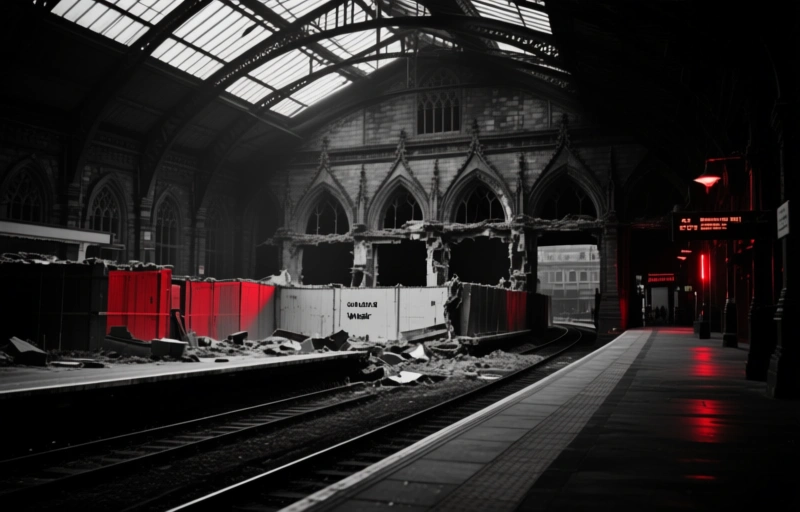
Glasgow Central Station is closed for demolition until next week, disrupting millions of journeys. Learn about the impact, travel alternatives, and why this necessary work is happening.
If you're planning to travel through Glasgow this week, you'll need to make some serious adjustments. Glasgow Central Station, one of Scotland's busiest transport hubs, is completely closed for demolition work. It won't reopen until next week, and that's causing a major ripple effect across the entire network.
We're talking about a station that serves over 30 million passengers a year. Shutting it down isn't a simple weekend project—it's a full-scale logistical operation. The closure impacts commuters, tourists, and freight, forcing everyone to find another way around.
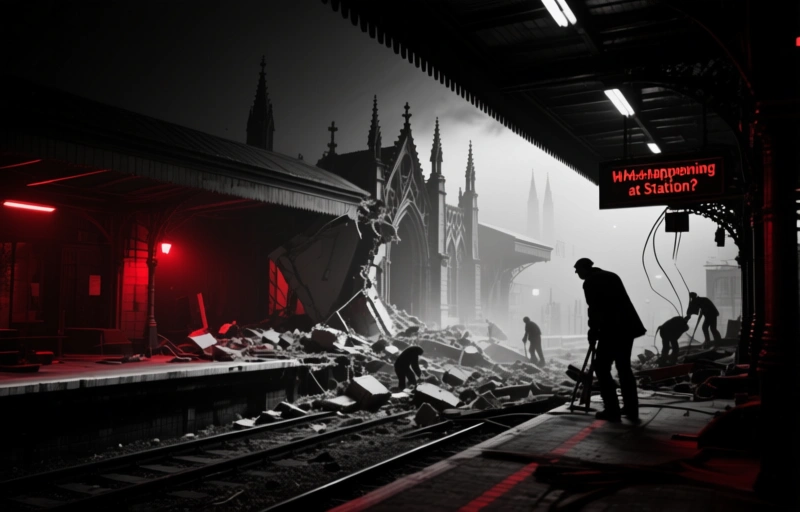
### What's Actually Happening at the Station?
The specific demolition work isn't just about knocking down an old wall. It's part of a larger, long-term redevelopment plan for the station and the surrounding area. Think of it like major surgery on a critical artery. They have to close it completely to do the work safely and efficiently, without trains running through the construction zone.
This kind of project doesn't get scheduled lightly. Planners have been coordinating for months with rail operators, local businesses, and emergency services. The goal is to minimize disruption, but when you're dealing with a hub this size, some disruption is inevitable.
### How Travelers Are Being Affected
So, what does this mean for you if you had plans? First, all train services that normally start, end, or pass through Central Station are canceled or significantly rerouted. That includes many long-distance routes and local commuter lines.
- **Alternative Stations:** Travelers are being redirected to other stations like Glasgow Queen Street, which is now handling a huge surge in passenger volume.
- **Replacement Buses:** Rail companies have set up extensive bus replacement services to bridge the gaps in the network. Expect longer journey times—sometimes adding an hour or more to your trip.
- **Local Road Traffic:** With more people opting for buses and cars, traffic congestion in the city center has increased noticeably. If you're driving, factor in extra time.
It's a classic domino effect. One major piece goes offline, and the whole system has to strain and adapt to compensate.
### The Bigger Picture: Why This Work Matters
It's easy to get frustrated by the inconvenience, and trust me, everyone involved understands that. But this demolition is a necessary step forward. The station, parts of which are over a century old, needs significant upgrades to meet modern safety standards and passenger demand.
> "These essential works, while disruptive, are about future-proofing a vital piece of national infrastructure for the next generation of travelers," explained a project coordinator.
They're not just tearing things down; they're clearing space for improvements that will make travel smoother, safer, and more reliable in the years to come. It's a short-term pain for a long-term gain scenario.
### Tips for Navigating the Closure
If your travel plans are unavoidable, here's how to get through the week with your sanity intact. First, check your train operator's website *before* you leave home. Don't rely on last week's schedule. Everything has changed.
Consider traveling at off-peak times if you can. The morning and evening rushes will be the most chaotic. Allow yourself a lot of extra time—I'm talking double what you'd normally budget. A delay that would normally be 10 minutes could easily stretch to 45 minutes or more with the altered services.
Look into all your options. Sometimes a combination of a different train line and a short bus or taxi ride might be more efficient than the official rail replacement bus. A little creative thinking can save you a major headache.
Finally, pack your patience. The staff working at the alternative stations and on the buses are dealing with thousands of confused and stressed passengers. A little kindness goes a long way when the system is under this much pressure.
By next week, the station should be back open, and the immediate chaos will subside. The work behind the scenes, however, will continue for a long time, shaping the future of travel in Glasgow. For now, it's all about adapting, planning ahead, and remembering that this temporary shutdown is paving the way for a better commute tomorrow.