Global Leaders Address Oil Price Surge Amid Extended Iran Conflict
Carmen López ·
Listen to this article~3 min
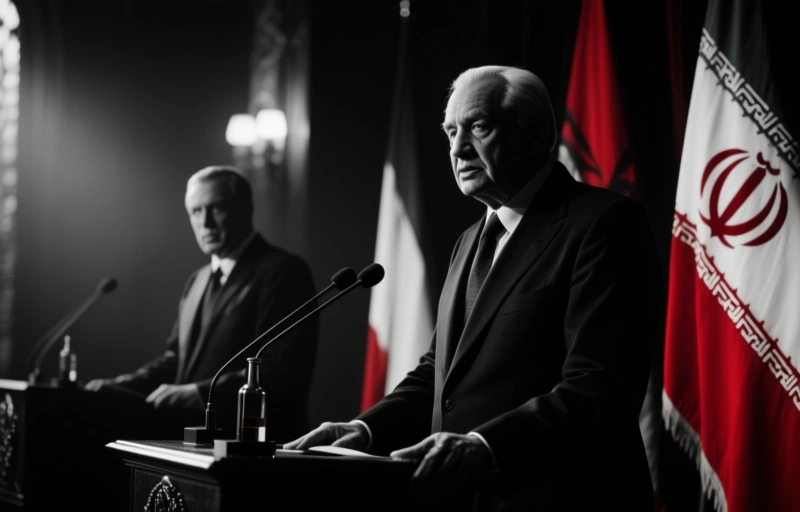
Global leaders are working to stabilize oil prices as extended conflict with Iran threatens energy markets. Learn how this affects everyday costs and what's being done behind the scenes.
Let's talk about what's happening with oil prices right now. It's one of those things that affects everyone, whether you're filling up your car or just buying groceries. Global leaders are scrambling to ease the surge, and honestly, it's getting complicated.
Former President Trump recently signaled that the conflict with Iran could stretch on for several more weeks. That's not just political talk—it has real consequences for energy markets worldwide. When tensions rise in that region, oil prices tend to follow.
### Why Oil Prices Are So Sensitive
You know how it goes. The Middle East produces a huge chunk of the world's oil. When there's instability there, markets get nervous. It's like when your favorite coffee shop might close—you start worrying about where you'll get your fix.
Right now, leaders from multiple countries are working behind the scenes. They're trying to stabilize things before prices climb even higher. Nobody wants to see gas hit $5 or $6 a gallon again.

### The Domino Effect on Everyday Life
Here's what many people don't realize: oil prices touch everything. Higher transportation costs mean:
- More expensive deliveries
- Pricier airline tickets
- Increased manufacturing expenses
That last one? That's why your grocery bill creeps up when oil prices jump. It costs more to get products from farms to stores.
I remember talking to a truck driver last month who said his fuel costs had increased by 30% in just two weeks. "It's eating into everything," he told me. "My paycheck, my savings, my ability to take time off."

### What Leaders Are Actually Doing
Diplomatic channels are buzzing right now. There's talk of releasing strategic petroleum reserves, increasing production elsewhere, and pushing for quicker diplomatic resolutions. It's a delicate balancing act—too much intervention can backfire, but doing nothing isn't an option either.
The challenge is that these situations are never simple. There are geopolitical considerations, economic pressures, and domestic politics all playing into decisions. What looks like a straightforward solution often has hidden complications.
### Looking Ahead
If the conflict continues for weeks as suggested, we could be in for a bumpy ride. Markets don't like uncertainty, and prolonged tension creates exactly that. The best-case scenario involves diplomatic breakthroughs and coordinated action.
But here's the thing—we've been through oil shocks before. The 1970s, the Gulf War, various economic crises. Each time, markets eventually adjust, alternatives get developed, and life goes on. That doesn't make the current situation any less stressful for people paying at the pump, but it does provide some perspective.
What matters now is whether leaders can work together effectively. Global problems require global solutions, and oil markets are about as global as it gets. The next few weeks will tell us a lot about international cooperation in an increasingly fragmented world.
One thing's for sure: everyone's watching those price tickers a little more closely these days.