Gunmen Force MSF to Halt Work at Gaza's Nasser Hospital
Carmen López ·
Listen to this article~4 min
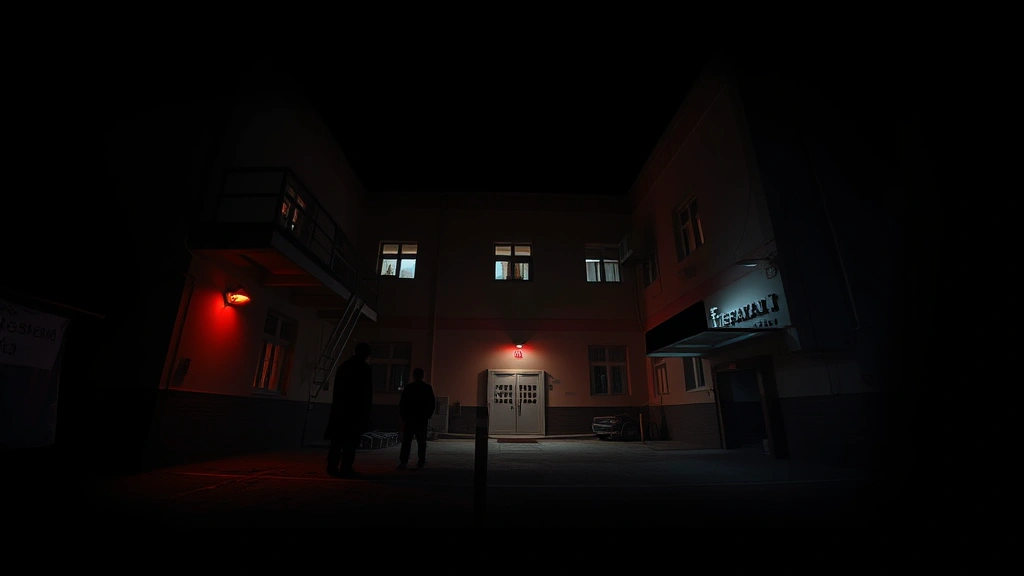
Armed individuals have forced Doctors Without Borders (MSF) to suspend all medical operations at Nasser Hospital in Gaza, halting critical care for vulnerable patients and straining an already overwhelmed health system.
It's a stark reminder that even in places meant for healing, violence can intrude. Reports have emerged that armed individuals on the grounds forced Médecins Sans Frontières (MSF), also known as Doctors Without Borders, to suspend their critical operations at Nasser Hospital in Gaza. This isn't just a headline—it's a real-world disruption that leaves vulnerable people without care.
Let's break down what this means. MSF teams are there to provide lifesaving medical aid in incredibly difficult circumstances. When they're forced to stop, the consequences are immediate and severe. Patients in need of surgery, trauma care, or chronic disease management are left in limbo. It creates a gap that's nearly impossible to fill, especially in an area already strained by conflict.
### The Immediate Impact on Patient Care
So what happens when an organization like MSF suddenly can't work? The ripple effects are profound. First, you have the patients who were scheduled for treatment that day. Their procedures are canceled. Then, there's the ongoing care for those with long-term conditions—think diabetes or heart disease—that gets interrupted. The hospital's own staff, already stretched thin, now face an even greater burden without the support and expertise MSF brings.
It's like pulling a crucial support beam from a structure that's already leaning. The whole system becomes more precarious. We're talking about real people, with families and stories, whose access to healthcare just became even more uncertain.
### Why MSF's Presence Matters
You might wonder why MSF is so vital in these settings. They're not just another aid group. They specialize in operating in conflict zones and areas where local health systems are overwhelmed or damaged. Their teams bring specific skills—war surgery, emergency obstetric care, mental health support—that are desperately needed. They also often bring essential supplies that are in short supply.
- They provide specialized trauma and surgical care
- They offer training and support to local medical staff
- They deliver medicines and equipment that are otherwise unavailable
- They operate on principles of neutrality and impartiality
When that presence is removed, it's not a simple substitution. That expertise leaves with them.
### The Broader Context of Healthcare Under Threat
This incident at Nasser Hospital isn't an isolated event, unfortunately. It fits into a troubling pattern where healthcare facilities and workers become collateral damage or direct targets in conflicts. It's a violation of international humanitarian law, plain and simple. Hospitals are supposed to be safe havens.
As one aid worker put it recently, "When we can't do our jobs, people die from preventable causes." That's the blunt reality. It's not about politics; it's about the basic human right to medical care. Every time access is blocked or teams are threatened, the most vulnerable pay the price.
### Looking Ahead: What Comes Next?
The big question now is how long this suspension will last and what it will take for MSF to safely resume work. The safety of their staff is non-negotiable—they can't operate if their teams are at risk. There will need to be assurances and, likely, negotiations to create a secure environment. In the meantime, the hospital and other organizations will try to absorb the shock, but capacity is finite.
This situation underscores a painful truth about modern conflicts: humanitarian space is shrinking. Delivering aid becomes a daily negotiation with danger. For the communities relying on these services, each day of suspension means more suffering. It's a waiting game with human lives at stake, and that's a weight that's hard to fathom from the outside.
We often hear about these crises in broad strokes—the numbers, the political statements. But stories like this bring it down to the ground level. It's about a specific hospital, a specific team of doctors and nurses who wanted to help, and the armed presence that stopped them. The aftermath is felt in every empty bed that should have a patient, in every procedure that won't happen today, and in the growing anxiety of a community that has one less lifeline.