The Hidden Dangers of Using AI-Generated Car Images
William Harrison ·
Listen to this article~5 min
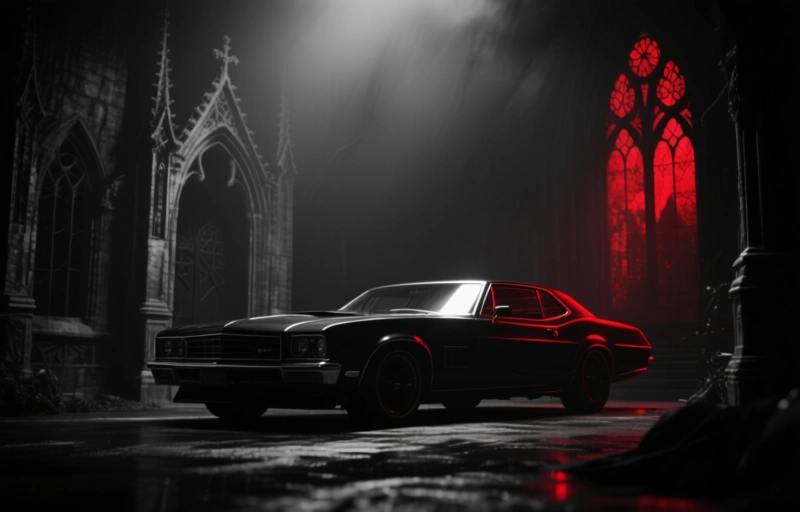
AI-generated car images offer speed and visual appeal, but they hide serious risks like legal ambiguity, customer misrepresentation, and eroded trust. Discover the ethical and practical pitfalls before using synthetic media in your automotive business or content.
So, you're scrolling through a car listing or an automotive blog, and the images look absolutely perfect. Flawless paint, impossible lighting, and a vehicle that seems to exist in a realm beyond typical showroom floors. Chances are, you're looking at an AI-generated image. It's tempting, right? Need a specific color on a model that doesn't exist? No problem for generative AI. But here's the thing we need to talk about: using these images carries a suitcase full of hidden risks that can backfire spectacularly.
It's not just about creating pretty pictures. It's about trust, legality, and the very real consequences of presenting fiction as fact. When you use AI to generate car images for commercial or informational purposes, you're stepping into a gray area that's still being mapped out. And the pitfalls are deeper than they appear.
### Why AI Car Images Are So Seductive
Let's be honest, the appeal is obvious. You don't need a photoshoot. You don't need a physical car. You can visualize concepts, custom builds, or future models with a few text prompts. It's fast, it's cheap, and the results can be visually stunning. For marketers and content creators under pressure, it feels like a magic solution. But magic often comes with a price.
That price is authenticity. When you present an AI-generated image as a real vehicle, you're building expectations that cannot be met in reality. The subtle imperfections, the way light interacts with real metal and glass, the tangible presence of a machine—these are often lost in the AI's pursuit of perfection.
### The Unseen Legal and Ethical Quicksand
This is where it gets messy. Who owns the image? The AI company? The user who prompted it? The artists whose work was scraped to train the model? Copyright law is scrambling to catch up, and using these images commercially could land you in a dispute you never saw coming.
Then there's the ethical side. Are you misleading your audience? If you're a dealership using AI images of cars you actually sell, you're creating a disconnect between the digital fantasy and the physical lot. The customer shows up expecting the flawless, digitally-manicured version and is confronted with a normal, real-world vehicle. That's a recipe for disappointment and lost trust.
- **Misrepresentation:** Presenting an idealized, non-existent version of a product.
- **Copyright Ambiguity:** Unclear ownership can lead to takedowns or legal challenges.
- **Erosion of Trust:** Audiences feel deceived when the reality doesn't match the AI fiction.
- **Technical Inaccuracy:** AI can generate physically impossible features or incorrect specs.
As one industry observer quietly noted, "The convenience of synthetic media is a siren song, luring businesses onto the rocks of reputational damage."
### The Practical Pitfalls for Businesses
Beyond ethics and law, there are straight-up practical problems. AI is notorious for getting details wrong—especially technical ones. It might generate a car with five wheels, headlights that defy physics, or interior features that don't exist on that model. For an enthusiast or a knowledgeable buyer, these errors are glaring and instantly damage your credibility.
You also lose control. The AI's interpretation of your prompt might not align with your brand's aesthetic or the actual product's selling points. It creates a generic, often soulless representation that lacks the character of a real photograph. In a world where consumers crave authenticity, that's a significant weakness.
### A More Thoughtful Path Forward
This isn't a call to abandon AI imagery entirely. It's a call for radical transparency and strategic use. The tool is powerful, but it must be wielded with care. Use it for conceptual work, clearly labeled as such. "Here's an AI visualization of a future concept," is honest. Using it to represent inventory or current models is where the danger lies.
Invest in real photography when it matters. The cost is higher, but the value in trust and accuracy is immeasurable. For speculative or futuristic content, use AI but be upfront about it. Your audience will appreciate the honesty, and you'll sleep better knowing you're not building your house on digital sand. The goal isn't to avoid new tools, but to use them in a way that strengthens, rather than undermines, the real connections you're trying to build.