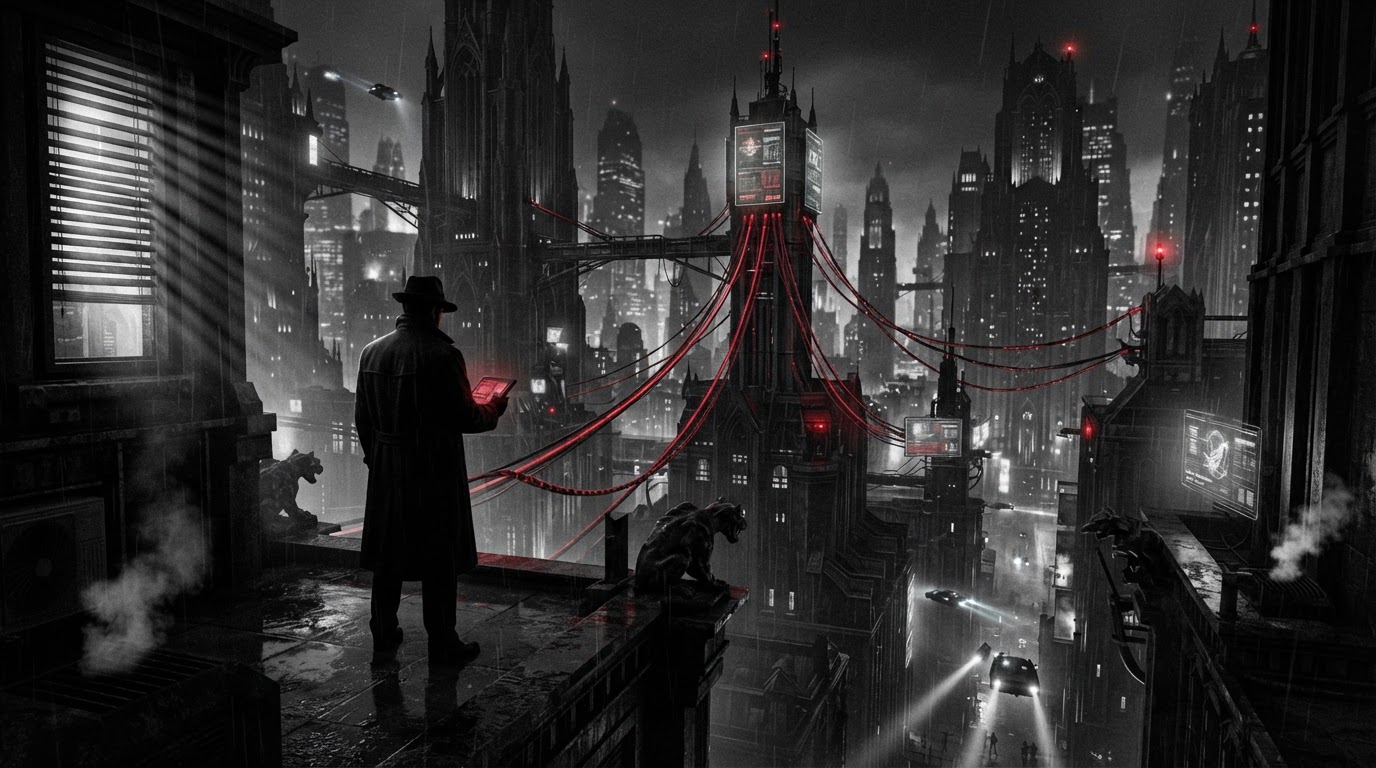
Technofeudalism isn't just a buzzword. It's a quiet power shift where a few tech giants own the digital land we all rent. Here's how it works and why it matters to you.
You might not have heard the term yet, but "technofeudalism" is quietly reshaping the way you work, shop, and even think online. It sounds like something from a history textbook, but it's actually a very modern phenomenon. And once you see it, you can't unsee it.
At its core, technofeudalism describes a world where a handful of massive tech platforms don't just host our digital lives—they own the very infrastructure we depend on. Think of it less like the wild west of the early internet and more like a carefully managed estate, where a few lords hold the keys to the castle gates.
### What Makes It Different From Regular Capitalism?
For the last few hundred years, capitalism has been driven by owning the means of production—factories, land, tools. But in the digital age, the most valuable asset isn't a physical machine. It's the invisible layer of code and algorithms that decides what you see, who you reach, and what you pay.
This is where the shift gets subtle. A platform like an app store doesn't just sell you a product; it sets the rules for every developer who wants to reach you. It can change its fee structure overnight, and there's very little you can do about it. That's not a free market. That's a toll booth on the only road into town.
### The Landlords of the Internet
In a feudal system, the lord owned the land, and everyone else paid rent to live and work on it. Today, the digital landlords are the tech giants that own the platforms where we all congregate.
- **App store fees** can take a significant cut of every digital transaction.
- **Marketplace algorithms** decide which products get seen and which get buried.
- **Cloud infrastructure** hosts the servers that run entire businesses, creating a single point of control.
- **Data collection** becomes a form of rent, where you pay with your personal information instead of cash.
When you build your entire business on someone else's platform, you're not a partner. You're a tenant. And like any tenant, you live with the constant fear that the lease might change.
### Why Should You Care About This Shift?
It's easy to dismiss this as a problem for tech nerds or big corporations, but it affects everyone. If you're a small business owner, your entire customer base could vanish if a platform changes its rules. If you're a creator, your income is tied to an algorithm you don't control.
Even as a consumer, your choices are being filtered through someone else's lens. You're not really choosing freely; you're choosing from the options that the algorithm decides to show you. It's a curated reality, and the curator has its own interests at heart.
This isn't just about inconvenience. It's about power. When a single company controls the digital infrastructure for millions of people, they hold a level of influence that rivals any government. They can shape public opinion, dictate market terms, and quietly become the new ruling class.
### The Fight for a More Open Web
The good news is that this isn't inevitable. There's a growing movement toward a more decentralized web, often called Web3. The idea is to build systems where no single entity controls the infrastructure. Instead of renting space from a lord, you'd own a piece of the common land.
This is still early, and it's not without its own problems. But it represents a fundamental pushback against the idea that a few companies should hold all the cards. It's a fight for digital autonomy, and it's one that's worth paying attention to.
### What Can You Actually Do?
You don't have to be a programmer to start pushing back. The first step is simply being aware. Ask questions about where your data goes and who owns the platform you're using.
- Support businesses that use open standards and allow for real interoperability.
- Diversify the tools you use so you're not locked into a single ecosystem.
- Pay attention to the terms of service, even if they're tedious to read.
The shift to technofeudalism didn't happen overnight, and it won't be reversed overnight either. But understanding the game is the first step to changing the rules. The digital world is still being built, and you have a say in what it looks like.
### The Bottom Line
We're at a crossroads. We can continue down a path where a few powerful platforms act as the landlords of our digital lives, or we can demand something better. The concept of technofeudalism is a warning, but it's also a call to action. The future of the internet doesn't have to be a return to the dark ages. It's up to us to build a system that works for everyone, not just the ones at the top of the castle.