How AI and Animators Created 'Dear Upstairs Neighbors'
William Harrison ·
Listen to this article~4 min
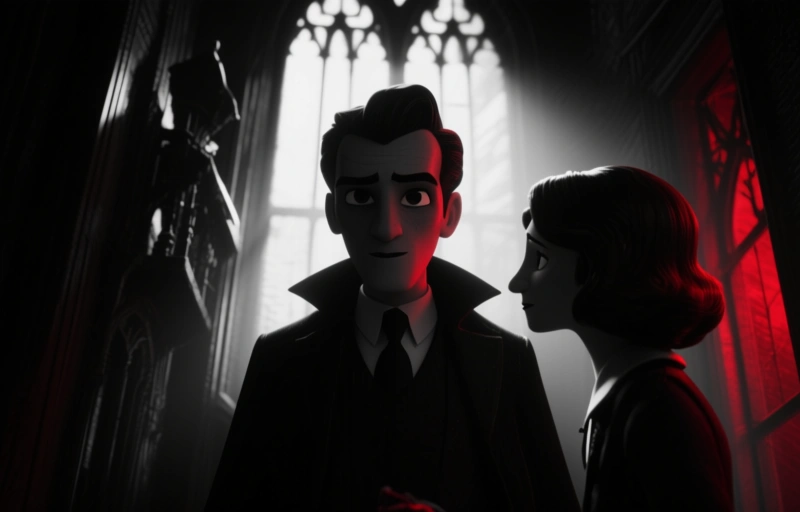
Discover how animators and AI researchers collaborated to create 'Dear Upstairs Neighbors,' blending human storytelling with cutting-edge technology in this innovative short film about universal apartment living experiences.
You know that moment when you're trying to focus, and suddenly there's a thump from above? That universal experience of apartment living became the heart of something pretty special recently. A team of animators and AI researchers got together to create 'Dear Upstairs Neighbors,' a short film that feels both deeply human and surprisingly futuristic.
It's a fascinating case study in what happens when creative storytelling meets cutting-edge technology. They didn't just use AI as a fancy tool—they wove it into the fabric of the creative process itself. The result? A piece that resonates because it captures a shared frustration we've all felt at some point.
### The Creative Spark Behind the Project
Every great project starts with a simple, relatable idea. For this team, it was the age-old tension between neighbors in close quarters. That initial spark came from human experience, from real-life moments of interrupted concentration and muffled conversations through ceilings.
The animators brought their traditional skills to the table—character design, emotional pacing, visual storytelling. But here's where it gets interesting: they partnered with AI researchers to explore new ways of bringing that story to life. It wasn't about replacing human creativity; it was about augmenting it with new possibilities.
### Where AI Met Animation
So how exactly did these two worlds collide? The researchers developed AI tools that could help with some of animation's more tedious tasks. We're talking about things like generating background elements, creating subtle variations in movement, or even suggesting color palettes based on emotional tone.
- The AI could analyze the script and suggest visual motifs that reinforced the theme of disruption and connection
- It helped generate multiple iterations of certain scenes, allowing the animators to choose the most emotionally resonant version
- The technology assisted in creating the unique visual texture that makes the film feel both familiar and fresh
What's really compelling is how the human creators remained firmly in the driver's seat. The AI served as a creative partner, offering suggestions and handling repetitive work, while the animators made all the important artistic decisions.
### Why This Collaboration Matters
This project represents something bigger than just one short film. It's a glimpse into how creative industries might evolve. When animators and AI researchers sit down together, they're not just making art—they're redefining what's possible in storytelling.
As one team member put it, 'The magic happens in the conversation between human intuition and machine capability.' That's the real takeaway here. The future of creative work isn't about machines taking over—it's about finding new ways for different kinds of intelligence to collaborate.
### What This Means for Digital Society
We're living through a remarkable shift in how we create and consume media. Projects like 'Dear Upstairs Neighbors' show us that the most interesting developments happen at intersections. Where animation meets AI, where storytelling meets technology, where human emotion meets computational power.
For professionals watching these trends, there's an important lesson here: the tools are changing, but the fundamentals aren't. A good story still needs emotional truth. Compelling characters still need authentic motivation. What's evolving is how we bring those elements to life.
The film itself, while focused on a specific neighborly annoyance, touches on broader themes of community, privacy, and connection in increasingly crowded spaces. It's a small story that speaks to much larger questions about how we live together in the digital age.
Looking ahead, we can expect to see more of these collaborations. As AI tools become more sophisticated and accessible, they'll become part of more creative workflows. The challenge—and the opportunity—will be maintaining that essential human touch while embracing new technological possibilities.
What makes 'Dear Upstairs Neighbors' work isn't just the technology behind it. It's that core human experience we all recognize, rendered with care and enhanced by thoughtful innovation. That combination—the deeply personal and the technologically advanced—might just be the blueprint for the next generation of creative work.