Illegal Construction in Protected Area Sparks Community…
Carmen López ·
Listen to this article~4 min
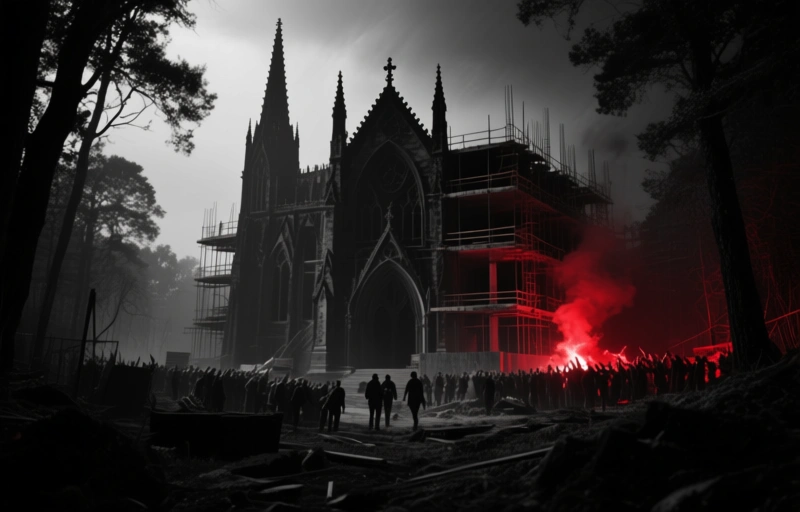
Unauthorized construction in a protected Area of Outstanding Natural Beauty near Flamstead has caused environmental damage and community distress, highlighting tensions between development and conservation.
You know, sometimes you hear about things happening in your own backyard that just make you shake your head. That's exactly what's been happening in Flamstead recently, where illegal construction work in a protected landscape area has left residents feeling angry and the environment damaged.
It's one of those situations where you wonder, 'What were they thinking?' The work happened in an Area of Outstanding Natural Beauty—places that are supposed to be protected for their scenic value and ecological importance. These aren't just pretty views; they're carefully managed landscapes that support wildlife and give communities a sense of place.
### What Exactly Happened?
From what we understand, unauthorized construction work took place within the protected zone. We're talking about heavy machinery moving in, ground being disturbed, and changes being made without proper permissions. The exact nature of the work isn't fully clear yet, but the impact certainly is.
Local residents have reported significant disruption—not just the noise and mess you'd expect from construction, but genuine distress about what's happening to a landscape they cherish. One neighbor described it as 'watching someone vandalize a masterpiece.' That's pretty powerful language, and it tells you how deeply people feel about these protected spaces.

### The Real Cost of Unauthorized Work
When people bypass regulations in protected areas, the damage goes beyond just the physical site. Here's what's really at stake:
- **Ecological disruption**: Protected areas often contain sensitive habitats that can take decades to recover from disturbance
- **Community trust**: When rules get broken, it erodes faith in the systems designed to protect shared resources
- **Financial implications**: Restoration work can cost thousands of dollars, often paid by taxpayers
- **Legal consequences**: Violations can lead to significant fines and enforcement actions
It's not just about following rules for rules' sake. These protections exist because we've collectively decided that some places are too valuable to lose to unchecked development.
### Why Protected Areas Matter
Let me put it this way: imagine your favorite childhood park suddenly having a parking lot paved through the middle of it. That sinking feeling you'd get? That's what communities near protected landscapes experience when unauthorized work happens.
These areas serve multiple purposes:
They provide green spaces for recreation and mental wellbeing
They protect biodiversity that might not survive elsewhere
They maintain scenic beauty that defines regional character
They preserve historical and cultural landscapes for future generations
As one local put it, 'We're not against development—we're against destruction. There's a right way to do things, and this wasn't it.'
### What Happens Next?
Authorities are investigating the situation, and enforcement actions are likely. The process typically involves assessing the damage, determining responsibility, and outlining restoration requirements. Sometimes that means returning the land to its original state, which can be more expensive than doing things properly in the first place.
There's also the community healing aspect. When something like this happens, it takes time for neighbors to feel secure again in their protected landscapes. They need to see that the systems work, that violations have consequences, and that their concerns are taken seriously.
### The Bigger Picture
This situation in Flamstead isn't isolated. Across the country, pressure on protected landscapes continues to grow. Balancing development needs with conservation priorities remains one of our biggest challenges.
What's encouraging is how communities are speaking up. When people care enough to report violations and demand accountability, it shows these protected areas matter. They're not just lines on a map—they're living parts of our shared heritage.
The takeaway here is pretty simple: there are processes for a reason. When we shortcut them, especially in sensitive areas, everyone loses. The landscape suffers, the community suffers, and ultimately, those responsible face consequences that could have been avoided.
Maybe incidents like this remind us all to pay closer attention to what's happening in our own neighborhoods. Because sometimes, the most beautiful places need the most protection—and the most vigilant neighbors.