India's Middle Class Crisis: Educated, Employed, Yet…
Carmen López ·
Listen to this article~3 min
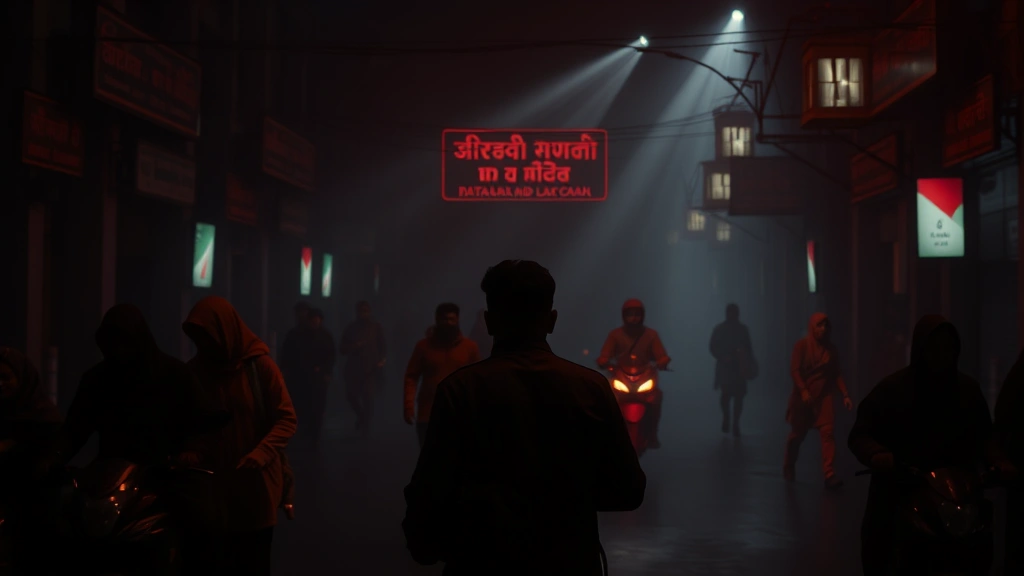
India's educated, employed middle class faces a hidden crisis. Despite degrees and jobs, rising costs and social pressures create intense financial strain, challenging the very definition of stability.
You've got the degree. You've landed the job. You're checking all the boxes society told you would lead to a comfortable life. But for millions in India's growing middle class, that comfort feels more like a mirage. The reality is a constant financial strain, where making ends meet is a daily battle despite having what looks like success on paper.
It's a paradox that's hard to explain to an outsider. From the outside, things look stable. But inside those homes, the pressure is immense. Rising costs, stagnant wages, and immense social expectations are creating a perfect storm of anxiety.
### The Squeeze of Rising Costs
Let's talk about the numbers, because they tell a stark story. Housing costs in major cities have skyrocketed. Renting a modest apartment in a city like Mumbai or Bangalore can easily consume 40-50% of a monthly salary. We're not talking luxury here—just a basic place to live.
Then there's education. Parents are spending a fortune, often going into significant debt, to put their children through private schools. They believe it's the only path to securing a better future. Healthcare is another major worry. A single medical emergency can wipe out years of savings, pushing families back to square one.
- Housing consumes nearly half of monthly income
- Private education costs create generational debt
- Healthcare remains a precarious financial cliff
- Daily inflation on essentials chips away at buying power
It's death by a thousand cuts. The small, daily expenses add up, leaving little room to breathe, let alone save for the future.
### The Weight of "Keeping Up"
Beyond the pure economics, there's a powerful social component. In many communities, there's immense pressure to maintain appearances. This might mean owning a car, living in a certain neighborhood, or participating in expensive social functions like weddings.
As one professional put it, *"We're running on a treadmill that keeps getting faster. You're told to be grateful for your job, but you're also watching your dreams of financial security slip further away each year."* This social pressure isn't just about vanity; it's often tied to family honor and community standing, making it incredibly difficult to opt out.
### A Path Forward?
The situation is complex, and there's no single magic solution. It requires a multi-faceted approach. Policy changes around affordable housing and healthcare access are crucial. Companies need to reevaluate compensation to match the real cost of living in urban centers.
But on a personal level, there's also a growing conversation about redefining success. Some are choosing to move to smaller cities with lower costs. Others are prioritizing financial literacy and aggressive saving, even if it means sacrificing some social expectations.
The core issue remains: when education and employment—the two pillars of middle-class stability—no longer guarantee that stability, what comes next? India's economic story is one of incredible growth, but ensuring that growth translates into security for its people is the next, critical chapter. The resilience of the middle class is being tested, and how this strain is addressed will shape the country's future for decades to come.