JBS Workers End Strike, Return Without New Contract
Carmen López ·
Listen to this article~4 min
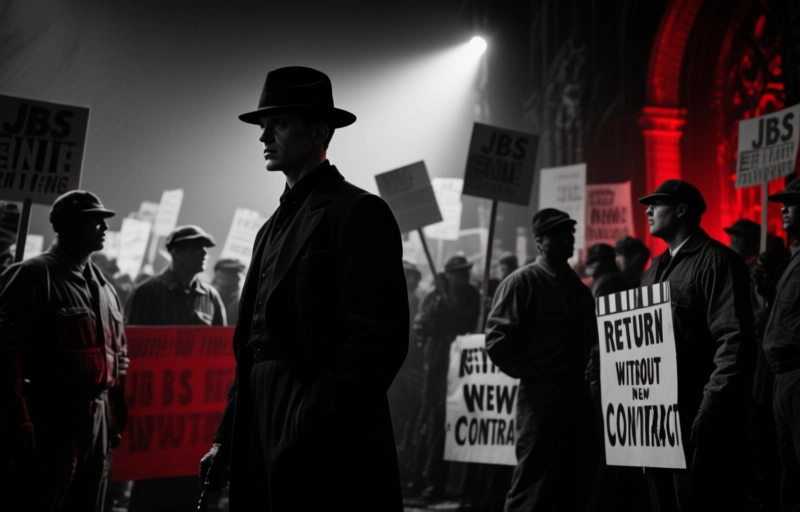
JBS workers are ending their strike and returning to work without securing a new contract, marking an unexpected turn in labor negotiations that leaves underlying issues unresolved.
### The Strike Comes to an Unexpected End
Well, here's something you don't see every day. JBS workers have decided to pack up their picket signs and head back to the plant. But here's the kicker—they're going back without a shiny new contract in hand. That's right. After all that time on the lines, they're returning to work with the same agreement they walked away from. It makes you wonder what changed, doesn't it?
Sometimes in these situations, the calculus shifts. Maybe the financial strain of lost wages became too heavy. Perhaps there were internal pressures we're not seeing. Or it could be a strategic pause, a chance to regroup and come back stronger later. Whatever the reason, it's a significant development in what was becoming a tense standoff.
### What This Means for Workers and the Company
Let's break this down a bit. When workers return without a new deal, it creates an interesting dynamic. On one hand, production resumes. That's good for the company's bottom line and for keeping meat on supermarket shelves. But on the other hand, the underlying issues that sparked the strike in the first place? They're still sitting there, unresolved.
- Workers return to their stations with the same pay rates
- Previous grievances about working conditions remain unaddressed
- The company avoids immediate disruption but faces ongoing tension
- Both sides lose the momentum that comes with a decisive settlement
It's like hitting the pause button on a heated argument. The room gets quiet, but nobody's actually said "I'm sorry" or changed their position.

### The Broader Context of Labor Relations
This situation at JBS isn't happening in a vacuum. We're seeing similar patterns across different industries right now. Workers are pushing for better wages, especially with inflation driving up the cost of everything from groceries to gas. Companies are watching their margins, concerned about staying competitive.
As one labor analyst recently noted, "These partial resolutions often reflect the complex balancing act between immediate financial pressures and long-term goals."
That quote really captures the essence of what's happening here. It's not a simple win or loss. It's a temporary truce in what could be a much longer negotiation process. The workers get their paychecks flowing again. The company gets its production lines moving. But everyone knows this isn't over.

### Looking Ahead: What Comes Next?
So where do we go from here? The return to work without a contract creates what I'd call a "negotiation limbo." The formal strike is over, but the informal tension continues. Workers will be back on the job, but they'll likely continue organizing. Management will have production restored, but they'll know their workforce isn't fully satisfied.
This could play out in a few different ways. Maybe both sides use this breathing room to craft a better deal behind the scenes. Perhaps there will be a cooling-off period followed by renewed negotiations. Or, in a less optimistic scenario, this could simply delay another confrontation down the road.
What's clear is that the fundamental issues—fair compensation, safe working conditions, reasonable hours—haven't magically disappeared because people returned to work. They're still there, waiting to be addressed. The real test will be whether both sides can find common ground now that the immediate pressure of the strike has lifted.
For now, the plants will hum back to life. Trucks will roll out with product. Workers will collect their pay. But everyone involved knows this story isn't finished yet. It's just entered a new, quieter chapter—one where the real work of finding lasting solutions begins.