Minnesota Inmates Lose Disney Balloon Jobs in Pay Dispute
Carmen López ·
Listen to this article~4 min
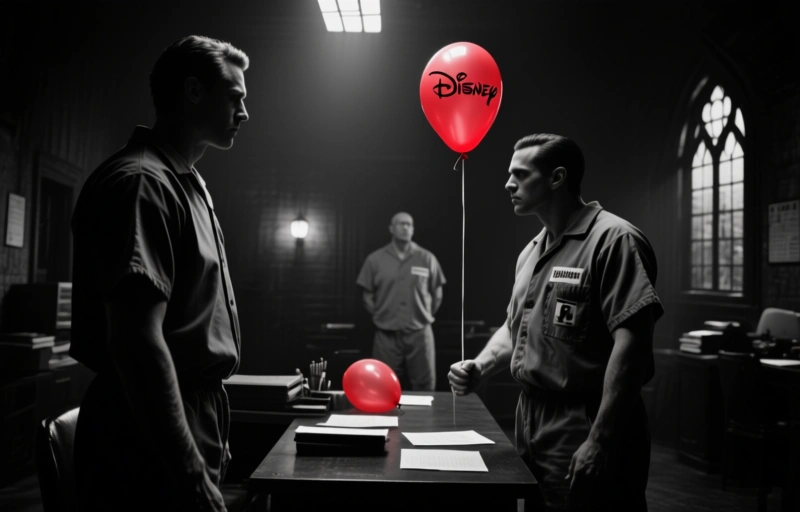
Hundreds of Minnesota inmates lost their jobs packaging Disney balloons amid a pay dispute, highlighting complex issues around prison labor, rehabilitation, and fair compensation in correctional work programs.
It's one of those stories that makes you pause and think about how our economy really works. Hundreds of inmates in Minnesota prisons just lost their jobs packaging Disney balloons. And it all comes down to a pay dispute that's left a lot of people wondering about the value of work, rehabilitation, and second chances.
Let's break this down. For years, these incarcerated individuals have been working on assembly lines, carefully putting together those colorful balloons you might see at Disney parks or in stores. It was part of a prison industries program that's supposed to help prepare people for life after release while providing some income.
### What Exactly Happened Here?
The program hit a major roadblock when discussions about pay rates fell apart. These workers were earning wages that, frankly, were far below what you'd expect for similar work on the outside. We're talking about pennies on the dollar compared to minimum wage jobs.
Now, I know what you might be thinking - "They're in prison, shouldn't they work for less?" But here's the thing: these programs are supposed to teach real job skills and provide some financial stability for when people get out. When the pay is so low that it feels exploitative, the whole rehabilitation angle starts to crumble.

### The Ripple Effects of Lost Work
This isn't just about lost income for the inmates. There are real consequences here:
- Families who relied on that small income now face greater financial strain
- The state loses revenue from the prison industries program
- Companies that depended on this labor source need to find alternatives
- Most importantly, inmates lose valuable work experience and structure
One former program participant put it this way: "That job gave me purpose when I felt like I had none. It taught me how to show up, be responsible, and contribute. Taking that away doesn't help anyone."
### The Bigger Picture of Prison Labor
This situation shines a light on the complex world of prison labor in America. On one hand, work programs can provide structure, skills, and a sense of purpose. On the other, when compensation feels unfair, it raises serious ethical questions.
What's the right balance? How do we create programs that truly rehabilitate while being fair to both workers and taxpayers? These aren't easy questions, but they're important ones.
### What Happens Next?
Right now, those assembly lines are quiet. The Disney balloons are being packaged somewhere else, probably by workers earning significantly more. The inmates who lost these jobs are back in their cells with fewer opportunities to build skills or save money for their eventual release.
Meanwhile, negotiations continue behind the scenes. Both sides say they want to find a solution, but the gap between what's being offered and what workers feel is fair seems pretty wide.
This story matters because it's about more than just balloons or pay rates. It's about how we treat people who are working to rebuild their lives, even from behind bars. It's about whether our systems are designed to punish forever or to help people become productive members of society again.
As one corrections officer told me off the record: "When these programs work, everyone wins. The inmates learn skills, they earn some money, and they're less likely to reoffend. When they fail, we all lose."
The truth is, rehabilitation isn't just a nice idea - it's practical. People who leave prison with job skills and work experience are far more likely to succeed on the outside. And that benefits all of us, whether we realize it or not.
So while this might seem like a small story about balloon packaging, it's really a window into much bigger questions about justice, work, and what kind of society we want to build.