M&S Staff Fear Work as Shoplifting Crisis Escalates
Carmen López ·
Listen to this article~4 min
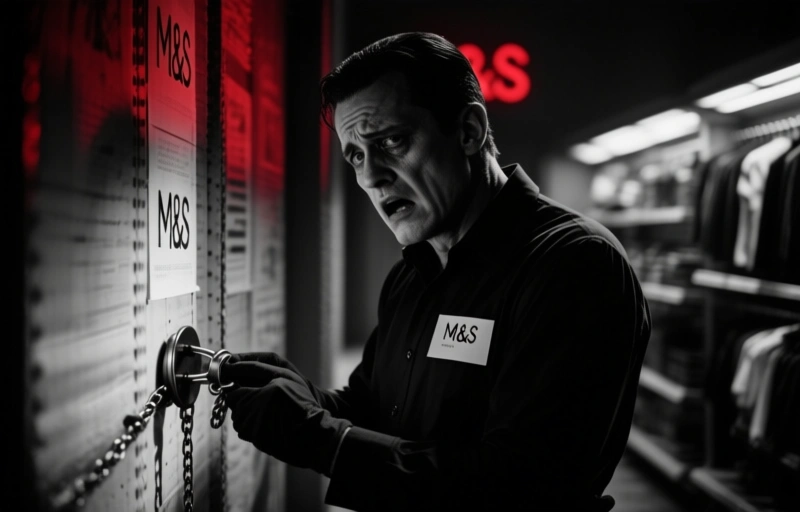
Marks & Spencer warns of rapidly escalating shoplifting, creating a climate of fear for retail staff who now dread coming to work, highlighting a human crisis beyond mere inventory loss.
You know that feeling when you're heading to a place you should feel safe, but instead there's this low hum of anxiety? That's what's happening right now for thousands of retail workers across the UK, particularly at Marks & Spencer. The company has issued a stark warning: shoplifting isn't just increasing—it's escalating rapidly, and it's creating a genuinely worrying environment for the people who keep the stores running.
It's more than just lost inventory. We're talking about frontline staff who are now coming into work with a sense of dread. Imagine clocking in for your shift not just thinking about customer service or restocking shelves, but about potential confrontations and your own personal safety. That's the new reality, and it's taking a massive toll on morale and mental well-being.
### The Human Cost Behind the Statistics
When a major chain like M&S goes public with concerns about staff safety, you know it's serious. This isn't about a few candy bars going missing. Reports indicate organized groups are becoming more brazen, and the incidents are more frequent and sometimes more aggressive. For employees, this transforms the shop floor from a workplace into a potential flashpoint. They're not security guards; they're sales assistants, cashiers, and stock clerks who signed up to help customers, not to be on the front lines of a retail crime wave.
The company is undoubtedly looking at security measures—more cameras, better tags, maybe even security personnel. But those are reactive solutions. The core issue is the pervasive feeling of vulnerability that staff carry with them throughout their day. It changes everything about the job.
### Why This Matters for Everyone
You might think, "Well, that's a UK problem." But retail trends have a way of crossing oceans. The pressures facing brick-and-mortar stores—inflation, online competition, supply chain issues—are global. When crime becomes a significant operational cost and a human resources crisis in one major market, others pay attention. It speaks to broader societal issues about economic pressure, enforcement, and the value we place on frontline service workers.
- **Employee Retention Suffers:** Why stay in a job that makes you feel unsafe? Talented people leave.
- **Customer Experience Declines:** Stressed, worried staff can't provide great service. The store atmosphere becomes tense.
- **Prices Can Creep Up:** Ultimately, significant losses from theft contribute to higher prices for everyone, a hidden tax on honest customers.
As one retail analyst recently put it, "When employees are afraid to come to work, the very foundation of customer-facing business is cracked."

### Looking for Solutions Beyond the Obvious
So, what's the answer? Better security tech is part of it, for sure. But it also requires a concerted effort from communities and local authorities. Retailers need to work with police to ensure reports are taken seriously and patterns are tracked. There needs to be a clear message that targeting retail workers is unacceptable, with consequences that deter the behavior.
Most importantly, the staff themselves need to feel heard and supported. That means clear protocols, de-escalation training, and a company culture that prioritizes their safety over simply protecting merchandise. It's about rebuilding that sense of security so that coming to work feels normal again, not like stepping into a zone of uncertainty.
The situation at M&S is a loud alarm bell for the entire retail sector. It highlights that the cost of shoplifting is measured not just in dollars and pounds, but in the well-being of the people who show up every day to do their jobs. Solving it requires looking past the ledger and focusing on the human element at the heart of every store.