NASA Halts SLS Mobile Launcher 2 Development
Carmen López ·
Listen to this article~5 min
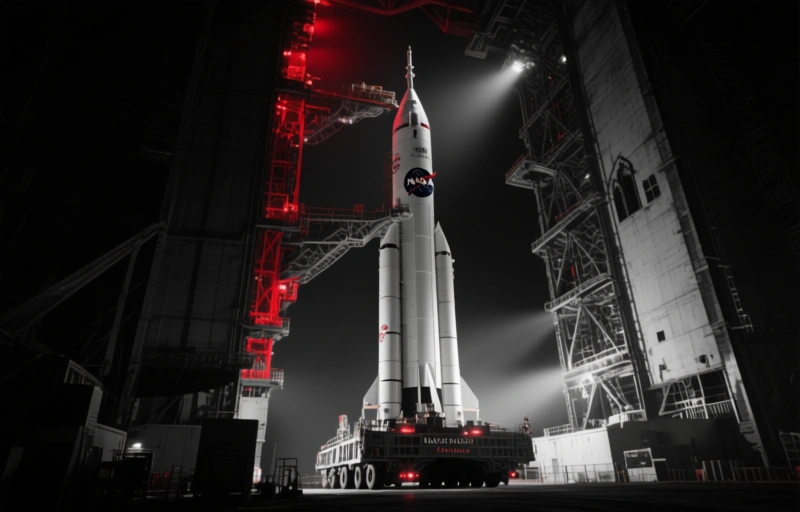
NASA has halted development of the second mobile launcher for its Space Launch System, marking a significant shift in Artemis program infrastructure plans amid budget and schedule pressures.
So, here's something that caught my attention recently. NASA has officially stopped work on the second mobile launcher for the Space Launch System. You know, the massive rocket that's supposed to take us back to the Moon? This isn't just a minor adjustment—it's a significant shift in how NASA is approaching its Artemis program infrastructure.
Let's talk about what this actually means. The Mobile Launcher 2 was supposed to be this enormous structure, standing about 380 feet tall. That's taller than the Statue of Liberty, by the way. It was designed to support the more powerful Block 1B and Block 2 versions of the SLS rocket. But now, NASA's pressing pause.
### Why This Decision Matters
You might be wondering why this is such a big deal. Well, the mobile launcher isn't just a fancy platform. It's the entire support system for the rocket—the umbilical connections, the access arms, the stability structure. Think of it as the rocket's launchpad home. Without it, the SLS can't even get to the pad, let alone launch.
NASA's reasoning? They're looking at budget constraints and schedule pressures. The agency has been facing some real challenges with costs ballooning on various projects. When you're dealing with billions of dollars, every decision gets scrutinized. And honestly, it makes you wonder about the broader implications for the Artemis timeline.
### The Financial Reality
Let's talk numbers for a second. The Mobile Launcher 2 project was already facing cost overruns. We're talking about a structure that was estimated to cost around $1.5 billion. That's billion with a 'B'. When you're working with taxpayer money at that scale, every delay and every cost increase gets magnified.
NASA officials have been pretty transparent about this. They've said they need to reassess their approach to infrastructure. Maybe there's a smarter way to do this. Maybe they can modify the existing mobile launcher instead of building an entirely new one from scratch.
Here's what we know about the current situation:
- Work has stopped on Mobile Launcher 2 at Kennedy Space Center
- NASA is evaluating alternative approaches
- The existing Mobile Launcher 1 will continue supporting initial Artemis missions
- This decision affects the timeline for more powerful SLS variants
### What Happens Next?
This is where things get interesting. NASA isn't abandoning the idea of more powerful rockets. They're just rethinking how to support them. The agency might look at modifying the existing mobile launcher or finding other solutions. It's about being flexible and responsive to changing circumstances.
One thing's for sure—this decision will have ripple effects throughout the space industry. Contractors who were working on the project will need to adjust. Suppliers will feel the impact. And the entire Artemis schedule might need some tweaking.
As one industry insider put it recently: "Space exploration has always been about adapting to new information. Sometimes the smartest move is to pause, reassess, and find a better path forward."
### The Bigger Picture
You know what's fascinating about this? It shows NASA is willing to make tough calls. They're not just plowing ahead with a plan that isn't working. They're stepping back, looking at the data, and making adjustments. In many ways, that's more impressive than stubbornly sticking to an original plan.
The Artemis program is incredibly ambitious. We're talking about returning humans to the Moon, establishing a sustainable presence, and using that as a stepping stone to Mars. That requires flexibility. It requires being able to pivot when necessary.
So while this news might seem like a setback on the surface, it could actually be a sign of maturity in how NASA approaches these massive, complex projects. They're learning as they go, adapting to realities, and making decisions based on what's actually achievable.
What does this mean for the average person watching from home? Well, it might mean we have to be a bit more patient. Space exploration has never been a straight line. There are always twists and turns, challenges and solutions. But that's what makes it so compelling to watch unfold.
The bottom line? NASA is still committed to the Moon. They're still building the SLS. They're still training astronauts. They're just being smart about how they use their resources. And honestly, that's something we should probably all appreciate.