New Rules for Work Zone Speed Cameras in Seattle
Carmen López ·
Listen to this article~4 min
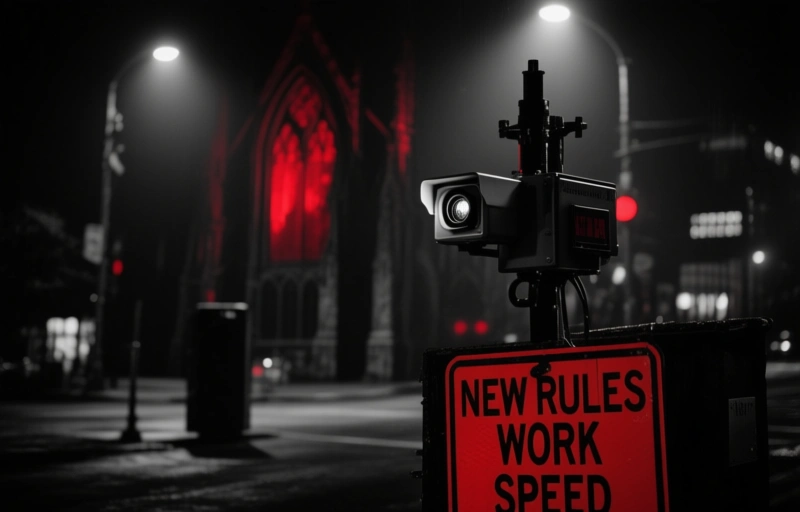
Washington state has updated rules for work zone speed cameras, now active 24/7 even without workers present. Fines start immediately with no grace period. Learn what changed and how to avoid a ticket.
If you've driven through a construction zone lately, you know the drill. Slow down, watch for workers, and keep your eyes on the road. But now, there's a new layer of enforcement that's catching drivers off guard. Washington state just rolled out updated rules for work zone speed cameras, and they're stricter than before.
These cameras aren't new, but the rules around them have changed. The goal is simple: protect road workers and reduce accidents. But for drivers, it means paying closer attention or facing a fine. Let's break down what's different and what you need to know.
### What Changed with the Speed Camera Rules?
The biggest update is about where and when these cameras can operate. Previously, they were limited to specific times or conditions. Now, they can be active 24/7 in active work zones, even when no workers are present. That's a significant shift.
Another change involves the warning period. In the past, drivers got a grace period with just a warning for the first offense. Under the new rules, that grace period is shorter. Some zones now issue fines immediately after the first violation. It's designed to discourage risky driving from day one.

### How Do the Cameras Work?
These are automated systems that capture your speed as you pass through a work zone. They use radar or laser technology to measure how fast you're going. If you're over the limit, the camera snaps a photo of your license plate. Then, a ticket is mailed to the registered owner of the vehicle.
- Cameras are clearly marked with signs before the zone.
- They operate in all weather conditions, day or night.
- Fines vary but can range from $100 to $500 depending on how fast you were going.
- No points are added to your driving record for camera-issued tickets in most cases.
### Why the Stricter Rules?
The reasoning is straightforward. Work zone accidents have been on the rise, and speed is a major factor. According to state data, over 1,000 crashes happen in Washington work zones each year. Many involve injuries or fatalities. The new rules aim to cut that number down.
Here's a quick look at the impact:
- Speeding in work zones increases stopping distance by up to 40%.
- A car going 45 mph in a 35 mph zone needs nearly 200 feet to stop.
- Workers are often just feet away from traffic, leaving no room for error.
### What Drivers Should Do Now
If you're commuting through Seattle or anywhere in Washington, adjust your habits. Assume cameras are active in every work zone. Set your cruise control to the posted limit. And remember, even if no workers are visible, the cameras can still catch you.
- Always obey posted speed limits in construction areas.
- Keep your phone away while driving through these zones.
- Give yourself extra time for delays, so you're not tempted to speed.
### The Bottom Line
These updates are about safety, not revenue. But they do mean a bigger risk for drivers who ignore the limits. The best advice? Slow down, stay alert, and treat every work zone like someone's life depends on it. Because it does.
For more details, check the official Washington State Department of Transportation guidelines. Stay safe out there.