Pensioners Return to Work: The Great Unretirement Trend
Carmen López ·
Listen to this article~4 min
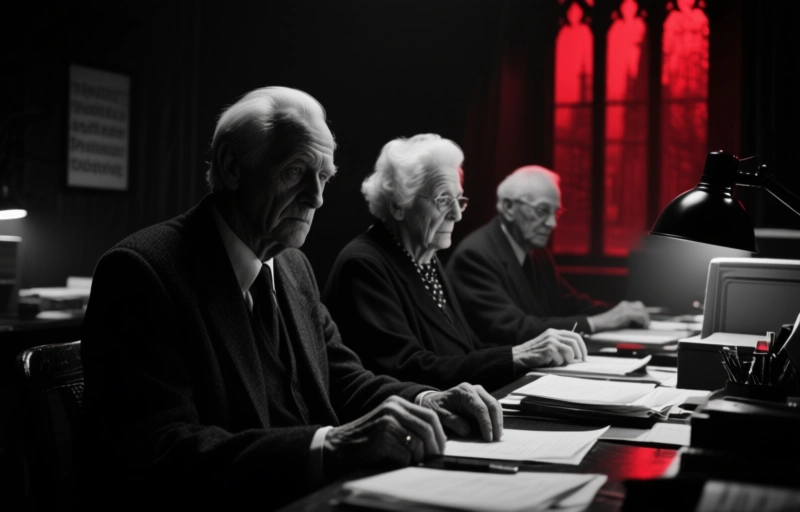
More retirees are heading back to work, driven by financial needs, social connection, and a desire for purpose. Learn why the great unretirement is reshaping the workforce and what it means for businesses.
More and more retirees are heading back to the office these days. It's not just a fluke — it's a real shift in how people think about retirement. We're calling it the great unretirement, and it's changing the game for both workers and employers.
For a lot of older adults, retirement isn't what it used to be. Maybe they miss the social connections, or perhaps their savings just don't stretch as far as they hoped. Whatever the reason, they're trading in their golf clubs for a keyboard. And honestly, it makes sense.
### Why Are They Coming Back?
The reasons are as varied as the people themselves. Some need the income, plain and simple. With prices going up on everything from groceries to gas, a fixed pension check doesn't always cut it. Others want the mental stimulation — sitting at home can get boring fast. And then there are those who just love what they do.
- **Financial necessity:** Rising costs mean retirement funds don't last as long.
- **Social connection:** Work provides a community and a reason to get out of the house.
- **Purpose and identity:** Many people find meaning in their careers and aren't ready to let that go.
It's not just about money. For a lot of folks, work is a big part of who they are. Walking away from that can feel like losing a piece of yourself.

### What This Means for Businesses
Companies are starting to notice. Hiring experienced workers can be a huge win. These are people who've been around the block. They know how to handle tough situations and they don't need much training. Plus, they bring a level of professionalism that's hard to find in younger hires.
But it's not all smooth sailing. Employers have to be flexible. Older workers might want part-time hours or remote options. They might not be interested in climbing the corporate ladder again. Smart businesses are adapting by offering:
- Flexible schedules and remote work
- Mentorship roles that leverage their experience
- Part-time positions with benefits
> "I didn't think I'd want to go back, but after six months of gardening and TV, I was ready to do something meaningful again." — A 68-year-old returning to work
That quote sums it up for a lot of people. Retirement sounds great in theory, but in practice, it can feel empty.
### The Challenges They Face
It's not always easy for older workers to jump back in. Age discrimination is real, even if people don't say it out loud. Some worry about keeping up with new technology or being seen as out of touch. And there's the physical side too — standing on your feet all day or commuting in traffic isn't as easy at 70 as it was at 30.
But here's the thing: most of these worries are overblown. Many older workers are tech-savvy and eager to learn. They bring wisdom that no app can replace. And companies that overlook them are missing out on a goldmine of talent.
### A New Kind of Retirement
The old idea of retirement — stop working completely, move to Florida, play golf every day — is fading. Today's retirees want options. They want to stay active, stay connected, and stay relevant. The great unretirement is really just people saying, "I'm not done yet."
And you know what? That's a good thing. It means we're living longer, healthier lives. It means we value contribution over relaxation. And it means the workforce is getting a dose of experience that can't be taught in any classroom.
If you're considering a return to work, don't let age hold you back. Your skills are needed, your perspective is valuable, and there are plenty of employers who would be lucky to have you. The great unretirement isn't a crisis — it's an opportunity.