How Remote Work Became Essential for U.S. Military…
Carmen López ·
Listen to this article~4 min
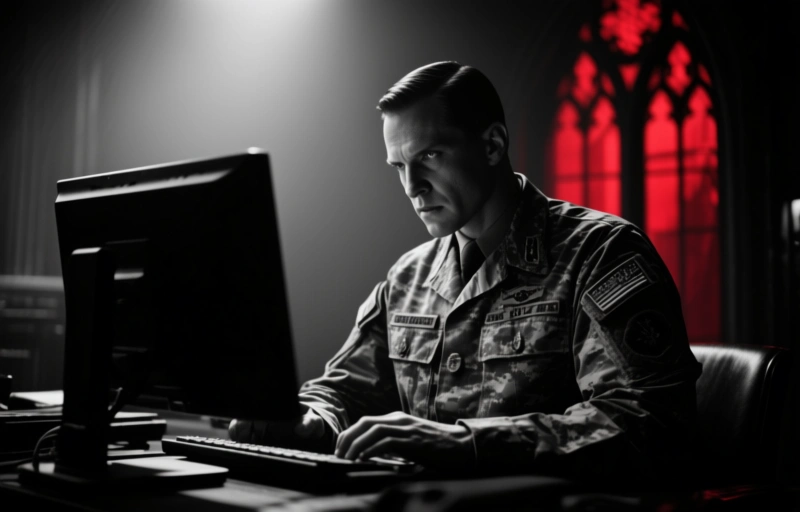
Global security shifts are transforming military operations, making remote work essential for U.S. defense. Discover how digital tools and new protocols are creating a more agile, distributed force.
You know, it's fascinating how quickly things can change. One day you're operating from a secure base, and the next, you're coordinating missions from thousands of miles away. Recent global events have forced a massive shift in how the U.S. military operates, pushing remote work from a convenience to an absolute necessity.
It's not just about checking emails from home. We're talking about full-scale operational support, intelligence analysis, and strategic planning happening outside traditional war zones. This shift didn't happen overnight, but when it came, it came fast.
### The New Battlefield Is Digital
Think about it. The traditional battlefield has physical boundaries—you can see it, touch it, and measure it in miles. Today's operational environment? It extends across fiber optic cables, satellite networks, and secure cloud platforms. Military personnel might be physically in Texas while providing real-time support for operations halfway around the world.
This digital shift brings both challenges and opportunities. On one hand, it reduces physical risk for support personnel. On the other, it requires entirely new protocols for security, communication, and chain of command. The tools that enable this aren't your standard office software—they're built for resilience and security first.
### Tools Powering the Remote Military Workforce
So what does it take to run military operations remotely? The technology stack is more sophisticated than most corporate setups. We're looking at:
- **Secure Communication Platforms**: Encrypted systems that can handle classified briefings and real-time coordination without a physical presence.
- **Virtual Collaboration Suites**: Tools that allow intelligence analysts, strategists, and field commanders to work on the same documents and maps simultaneously.
- **Remote Monitoring Systems**: Technology that lets personnel oversee operations, equipment status, and logistical chains from any location.
- **Cybersecurity Infrastructure**: Multi-layered protection that's several levels above what commercial companies typically deploy.
One defense analyst put it perfectly: "The ability to project power no longer requires projecting people. We can maintain operational tempo with a fraction of the forward-deployed footprint we needed just five years ago."
### The Human Element in Remote Operations
Here's what often gets overlooked in these discussions—the human factor. Transitioning to remote military work isn't just about installing new software. It's about retraining mindsets, building trust in systems people can't physically touch, and maintaining unit cohesion across continents.
Military culture has always valued physical presence—being there with your team, sharing the same space, reading the same body language. Recreating that sense of shared purpose through screens and headsets? That's the real innovation. The most successful units have found ways to maintain their esprit de corps through virtual means, proving that camaraderie doesn't require shared physical space.
### What This Means for Future Defense Strategy
Looking ahead, this shift toward remote capabilities will likely become permanent. The benefits are too significant to ignore—reduced logistical burdens, lower risk for support personnel, and the ability to rapidly scale expertise to wherever it's needed most.
We're already seeing this influence recruitment and training. Technical skills that support remote operations are becoming as valued as traditional combat skills. The soldier of the future might spend as much time managing data streams as they do managing physical terrain.
This evolution represents one of the most significant changes in military operations in decades. It's not about replacing boots on the ground where they're needed, but about supporting those boots more effectively from wherever makes strategic sense. The remote military professional isn't coming—they're already here, and they're changing how defense gets done.