Slow Vacuuming: Does It Actually Work in 2026?
Carmen López ·
Listen to this article~5 min
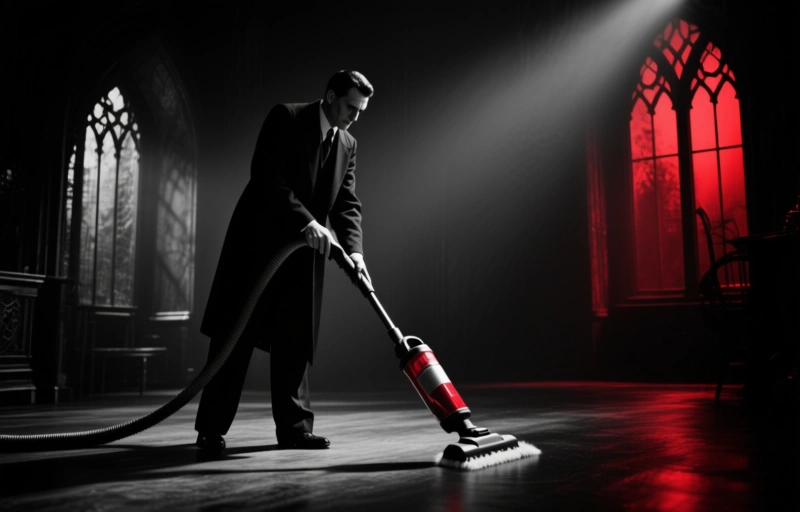
Slow vacuuming is the surprising cleaning trend of 2026. Learn what it is, how it works, and whether it's worth the extra time for a deeper clean and fewer allergens.
You've probably heard the phrase "slow vacuuming" thrown around lately. It sounds like a joke, right? But trust me, it's not. In fact, it's one of the most talked-about cleaning trends for 2026. The idea is simple: instead of rushing through your floors, you slow way down. Like, really slow. The promise? A deeper, more effective clean that actually picks up more dust and dirt. But does it deliver? Let's break it down.
### What Is Slow Vacuuming, Exactly?
Slow vacuuming is exactly what it sounds like. You set your vacuum to a low speed or just move it at a snail's pace across your carpet. The theory is that going slower gives the suction more time to pull out embedded dirt and allergens. Think of it like this: if you speed-read a book, you miss details. Same with your floors. Going slow lets the vacuum dig deeper into the fibers.
Most people vacuum at a brisk pace, covering a room in a few minutes. But slow vacuuming asks you to take your time. We're talking about moving the vacuum head at about one foot per second. That's roughly the speed of a gentle stroll. It feels weird at first, but the results can be surprising.
### Does It Actually Work?
Short answer: yes, for many people. But it's not magic. Here's what the evidence and experience suggest:
- **Better dirt removal**: Slower passes allow the brush roll to agitate carpet fibers more thoroughly. This kicks up more dirt for the suction to grab.
- **Reduced allergens**: If you suffer from allergies, slow vacuuming can make a real difference. It captures more fine particles like pollen and dust mites.
- **Less wear on your vacuum**: Rushing often means you're pushing the vacuum too hard or missing spots. Slow, deliberate passes are gentler on your machine.
But here's the catch: it takes longer. A lot longer. If you're used to a 10-minute vacuum session, slow vacuuming might stretch that to 30 minutes or more. For some, that's a dealbreaker. For others, it's a small price for cleaner air and floors.
### How to Try Slow Vacuuming Today
Ready to give it a shot? Here's a simple plan:
- **Start in a small area**: Don't try to slow-vacuum your whole house at once. Pick one room, like a bedroom or living room.
- **Use the right setting**: If your vacuum has adjustable suction or brush roll speed, set it to a lower, more aggressive setting for carpets.
- **Move at a steady pace**: Aim for about one foot per second. Count "one Mississippi, two Mississippi" if you need a rhythm.
- **Overlap your passes**: Go over each strip twice, overlapping by about half the width of the vacuum head. This ensures no spot gets missed.
> "I tried slow vacuuming for a week, and my allergies were noticeably better. The carpets looked darker with dirt, which was gross but also satisfying." — A real user from a cleaning forum
### The Downsides You Should Know
Let's be honest: slow vacuuming isn't for everyone. Here are the main drawbacks:
- **Time commitment**: You'll spend two to three times longer on each room. That's hard to fit into a busy schedule.
- **Not ideal for large homes**: If you have 2,000 square feet of carpet, slow vacuuming could take over an hour. That's a lot of time standing and pushing.
- **Requires patience**: It's boring. There's no way around it. You'll need to find a podcast or playlist to keep your mind engaged.
Still, for many people, the trade-off is worth it. Cleaner floors, fresher air, and a sense of accomplishment. Plus, it's a great way to slow down in a world that's always rushing.
### Final Thoughts
Slow vacuuming isn't a gimmick. It's a legitimate technique that can improve your home's cleanliness, especially if you have carpets or allergies. Give it a try in one room and see if you notice a difference. You might be surprised. And if it's not for you? That's fine too. Just go back to your normal speed and call it a day. The best cleaning routine is the one you'll actually stick with.