The Sweatshirt Revolution: Redefining Professional Attire
William Harrison ·
Listen to this article~4 min
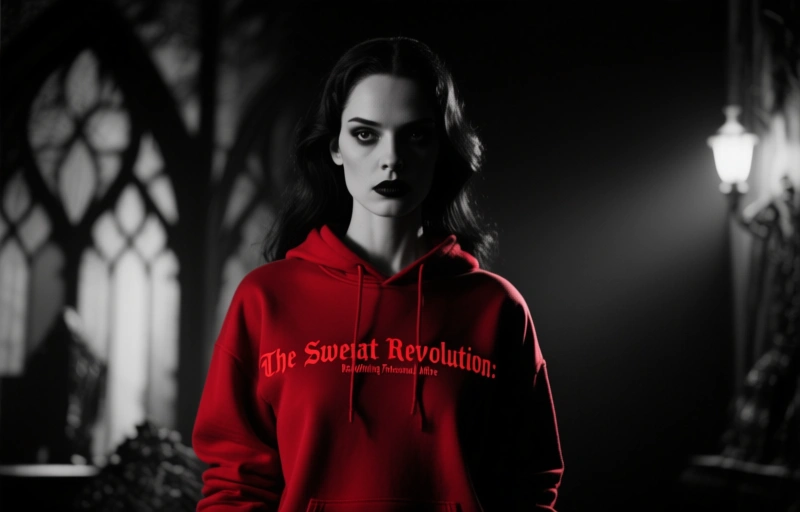
The workplace dress code is evolving rapidly. Explore how the acceptance of casual attire like sweatshirts reflects deeper changes in professional culture, remote work, and what truly defines productivity in modern organizations.
### The Great Dress Code Shift
Remember when wearing a sweatshirt to work would've gotten you a stern talking-to from HR? Those days are fading faster than you might think. We're living through a quiet revolution in professional attire, one that's reshaping not just what we wear, but how we think about work itself.
It's not just about comfort versus formality anymore. This shift represents something deeper—a fundamental rethinking of what professionalism means in the digital age. When your most important meetings happen through a screen, does a suit jacket really matter?
### Why Sweatshirts Are Winning
Let's be honest here. The traditional office uniform wasn't designed for how we work today. Those stiff collars and tight waistbands? They belong to an era of cubicles and water cooler chats. Modern work is different. It's flexible, remote, and focused on output rather than appearance.
Consider these changes that made sweatshirts acceptable:
- The rise of remote and hybrid work models
- Tech industry influence on workplace culture
- Focus on employee well-being and comfort
- Shift toward results-oriented evaluation
- Generational changes in workplace expectations
I've spoken with dozens of professionals who've made the switch, and their stories are telling. One marketing director told me, "When I stopped worrying about my outfit, I started focusing more on my actual work." That's the real story here—it's about removing barriers to productivity.

### Navigating the New Normal
Now, before you toss out your entire work wardrobe, let's talk about balance. Not every workplace has embraced the sweatshirt revolution equally. There's still nuance here, and reading your company's culture matters more than ever.
Think of it like this: dress codes are becoming more like guidelines than rules. They're flexible frameworks that adapt to different situations. Client meeting? Maybe reach for something more traditional. Internal brainstorming session? That's where the sweatshirt shines.
As one HR manager put it to me recently, "We're teaching managers to evaluate work, not wardrobes. If someone's delivering exceptional results in a hoodie, why would we penalize them?" That mindset shift is happening across industries, from tech startups to traditional corporations.
### What This Means for Workplace Culture
This isn't just about clothing—it's about trust. When companies relax dress codes, they're sending a message: "We trust you to represent us appropriately." That trust builds stronger cultures and more engaged employees.
I've watched companies struggle with this transition. Some embrace it fully, while others implement "dress for your day" policies. The most successful approaches recognize that different roles and situations require different considerations.
Here's what I tell clients: Start by asking why certain dress codes exist. Are they serving a real purpose, or are they just tradition? That question alone can open up productive conversations about workplace culture and values.
### Looking Ahead
Where does this leave us? In a more human workplace, honestly. One where we can be comfortable while being professional. Where what we produce matters more than what we wear.
The sweatshirt revolution is part of a larger movement toward more authentic, flexible work environments. It's not about being sloppy—it's about being real. About recognizing that great work doesn't require uncomfortable clothing.
So can you wear a sweatshirt to work? For more and more of us, the answer is becoming a resounding yes. And that's changing workplaces for the better, one comfortable outfit at a time.