Trump Administration Recalls Idled Federal Employees After Year-Long Payroll
Carmen López ·
Listen to this article~3 min
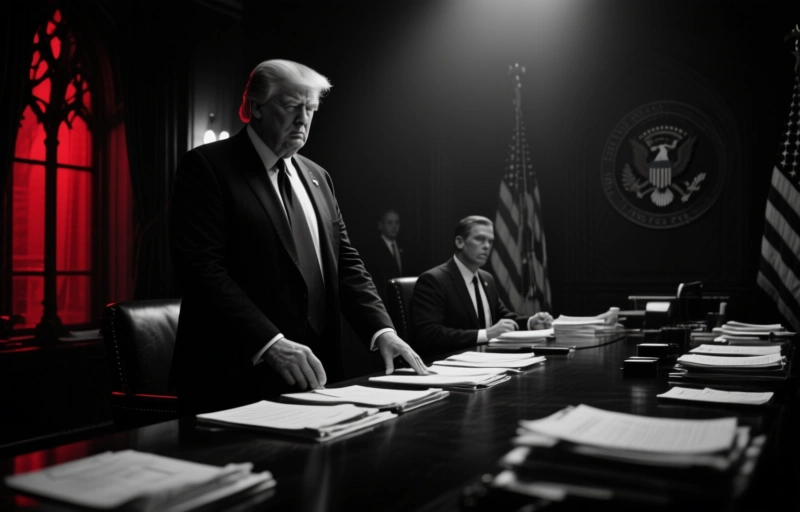
The Trump administration paid federal employees not to work for over a year. Now they're being recalled, raising questions about government efficiency and use of taxpayer dollars.
So here's something that makes you scratch your head. For over a year, the federal government paid certain employees not to work. Now, they're being called back. It's a strange situation that raises all sorts of questions about government efficiency and taxpayer dollars.
Let's unpack what happened. During the Trump administration, a group of federal employees were essentially placed on paid administrative leave. They stayed home, collected their salaries, and didn't perform their official duties. The reasons for this arrangement weren't always clear, but it lasted for more than twelve months.
### The Cost of Keeping Employees Idle
Think about that for a second. We're talking about full salaries, benefits, and retirement contributions—all paid out while work wasn't being done. The financial impact on the federal budget was significant, though exact figures are hard to pin down without specific agency data. It's the kind of situation that makes taxpayers understandably frustrated.
Now, the current administration has decided to recall these employees. They're being brought back to their original positions or similar roles within their agencies. The transition won't be seamless, of course. After a year away from daily operations, there's going to be a substantial learning curve and reintegration period.
### What This Means for Government Operations
This whole episode highlights some persistent challenges in federal workforce management:
- **Resource Allocation:** Paying employees not to work represents a major misallocation of public funds that could have been directed toward actual services.
- **Morale Issues:** Other employees who worked through the same period might understandably feel resentful about the arrangement.
- **Operational Gaps:** The work these employees would have done either went undone or was shifted to already-busy colleagues.
There's an important conversation here about accountability and transparency in how our government manages its most valuable resource: its people.
> "Federal workforce policies should serve the public interest first, ensuring taxpayer dollars fund actual work and service delivery."
### Looking Forward: Lessons Learned
As these employees return to their desks, several questions remain. Will there be any changes to prevent similar situations in the future? How will agencies handle the knowledge and skills gap that developed during that year? And perhaps most importantly, what systems need to be put in place to ensure better stewardship of public funds?
The recall decision suggests a move toward normalizing these employment situations, but it doesn't address the underlying management issues that allowed the paid non-work arrangement to continue for so long. Government efficiency experts have long argued for more flexible workforce policies that can adapt to changing needs without resorting to lengthy paid leaves.
In the end, this situation serves as a reminder that how the government manages its employees directly impacts how effectively it serves the American people. The return of these workers is a step toward normalcy, but the broader conversation about responsible workforce management is just beginning. We'll be watching to see how agencies handle the reintegration and whether any policy changes emerge from this unusual chapter in federal employment.