Understanding Naval Blockades: The Strait of Hormuz Scenario
Carmen López ·
Listen to this article~6 min
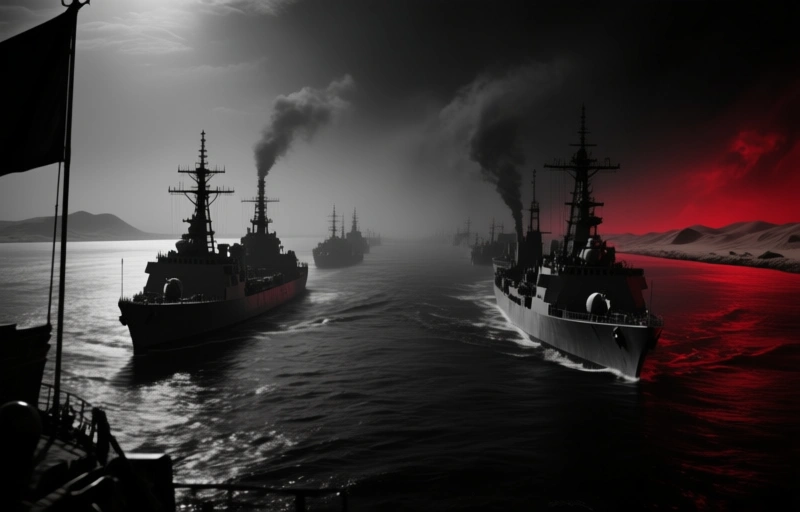
Explore how naval blockades work and what a blockade of the critical Strait of Hormuz would entail. Understand the military, economic, and global implications of controlling this vital oil chokepoint.
So you've heard the term 'naval blockade' thrown around in news reports, especially when tensions rise in places like the Strait of Hormuz. But what does it actually mean? And more importantly, how would one work in that narrow, critical waterway? Let's break it down like we're talking over coffee.
A naval blockade is essentially a military operation where a country uses its navy to prevent ships from entering or leaving specific ports or coastal areas. Think of it like a giant, floating police line—except instead of stopping cars, it's stopping oil tankers, cargo ships, and sometimes even warships.
It's not a new concept. Nations have used blockades for centuries during conflicts. But in today's world, the rules are governed by international law, specifically the Law of Naval Warfare. There are strict protocols about declaring a blockade and how it's enforced.
### How Does a Blockade Actually Work?
Implementing a blockade isn't as simple as parking a few ships in the water. It requires significant naval power and careful planning. First, the blockading force must publicly declare the blockade, specifying the geographic area and when it begins. This notification is crucial under international law.
Then, the real work starts. Naval vessels form a cordon around the targeted area. Their job is to intercept and inspect vessels attempting to pass through. They're looking for contraband—goods destined for the enemy. If a ship tries to run the blockade, the navy can use force to stop it.
- Warships patrol designated zones
- Aircraft provide surveillance from above
- Submarines might monitor underwater activity
- Communication is key to coordinate all these assets
It's a massive logistical undertaking that requires constant vigilance. Ships can't just take shifts and go home; they need to maintain presence 24/7 to make the blockade effective.

### The Strait of Hormuz: A Geographic Chokepoint
Now, let's talk about why the Strait of Hormuz matters so much. This narrow waterway between Oman and Iran is only about 21 miles wide at its narrowest point. That's less than the length of Manhattan! The shipping lanes for tankers are even narrower—just 2 miles wide in each direction.
This geography makes it a natural chokepoint. About 20% of the world's oil passes through here daily. We're talking roughly 21 million barrels every single day. That's why any talk of blocking this strait sends shockwaves through global markets and governments.
As one naval strategist once noted, 'Whoever controls the Strait of Hormuz controls the tap on Middle Eastern oil.' That's not just dramatic language—it's economic reality for energy-dependent nations worldwide.
### The Practical Challenges of Blockading the Strait
So what would it take to actually blockade the Strait of Hormuz? First, you'd need a substantial naval force. We're talking dozens of surface ships, submarines, and aircraft working in concert. They'd need to cover not just the narrow strait itself, but approaches stretching hundreds of miles.
The blockading force would face several immediate challenges:
- Commercial traffic doesn't stop just because there's tension
- The legal status of each vessel must be carefully determined
- Weather conditions in the Persian Gulf can be harsh
- The political fallout would be immediate and severe
Plus, there's the question of duration. How long could a navy sustain such an operation? The costs—both financial and diplomatic—would mount quickly. We're talking billions of dollars in military expenditure and incalculable damage to international relations.
### The Ripple Effects Beyond the Water
A blockade here wouldn't just affect ships. It would trigger a cascade of consequences. Insurance rates for vessels would skyrocket overnight. Oil prices would likely spike, affecting everything from gas prices at your local station to global inflation rates.
Alternative shipping routes would emerge, but they'd add thousands of miles to journeys. The Suez Canal might see increased traffic, but that creates its own bottlenecks. Meanwhile, countries dependent on Hormuz oil would scramble to secure other sources.
It's worth remembering that in our interconnected world, disrupting one critical node affects the entire system. The economic pain wouldn't be limited to any one region—it would spread globally through supply chains and markets.
### Why Understanding This Matters
You might wonder why any of this matters to you personally. Well, whether you realize it or not, events in distant waterways like the Strait of Hormuz impact your daily life. They affect what you pay for fuel, the stability of the economy, and even international security.
Being informed helps you understand the news better when tensions flare up. It helps you separate political rhetoric from practical reality. And in a democracy, informed citizens make better decisions about the world they want to live in.
So next time you hear about naval movements in the Persian Gulf, you'll have a clearer picture of what's actually happening. You'll understand the stakes, the challenges, and the very real human and economic costs involved in these military operations.