Waymo's 6th-Gen Driver: The Future of Autonomous Driving
Carmen López ·
Listen to this article~4 min
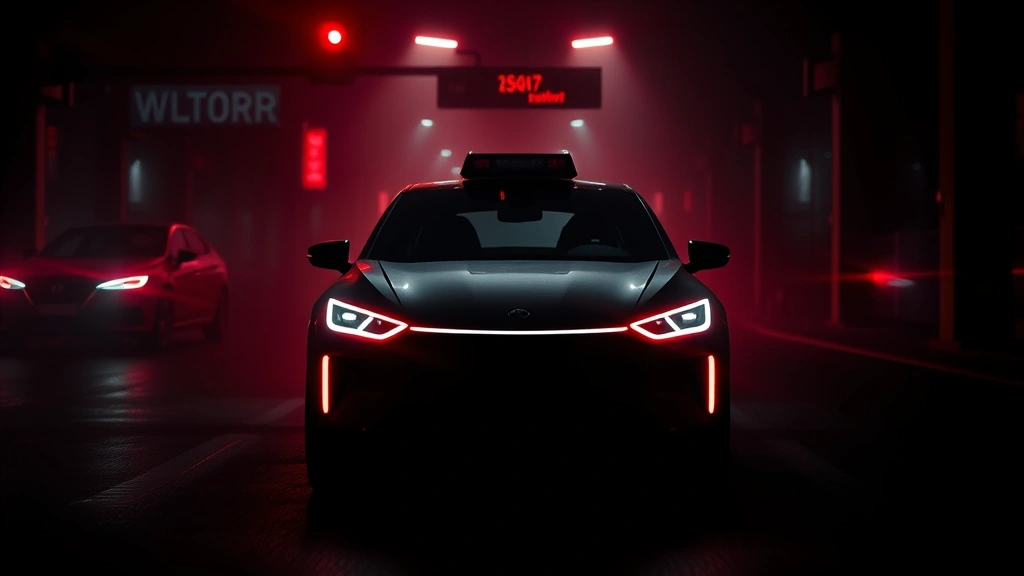
Waymo's 6th-generation autonomous driver system marks a major leap forward in self-driving technology, moving from testing to real-world commercial operations across multiple U.S. cities.
Let's talk about what's really happening on our roads. You've probably seen those sleek vehicles cruising around without anyone in the driver's seat. That's Waymo's latest innovation in action, and it's not just a test anymore. We're witnessing the beginning of fully autonomous operations with their 6th-generation driver system.
This isn't some distant sci-fi concept. It's happening right now in cities across the United States. Waymo's been refining this technology for over a decade, and this latest generation represents their most advanced system yet. They've moved beyond controlled testing environments into real-world operations where these vehicles navigate complex urban landscapes independently.
### What Makes This Generation Different
You might wonder what's actually new here. The 6th-generation Waymo Driver isn't just an incremental update. They've completely redesigned their sensor suite and processing capabilities. Think of it like going from a basic smartphone camera to a professional photography setup. The resolution, range, and processing power have all taken significant leaps forward.
These vehicles can now detect objects up to 500 feet away in all directions. That's nearly two football fields of awareness. They process this information faster than ever before, making split-second decisions about everything from pedestrians crossing unexpectedly to sudden weather changes.
### The Human Element in Autonomous Tech
Here's something people often miss. The goal isn't to remove human judgment entirely. It's to enhance it. Waymo's system incorporates what they call "defensive driving algorithms" that anticipate potential hazards before they become problems. It's like having the world's most cautious and attentive driver behind the wheel, one who never gets tired or distracted.
I remember talking to an engineer who explained it this way: "We're not trying to replicate human driving. We're trying to create something better - something that doesn't make the mistakes humans naturally make." That perspective shift is crucial. They're not just automating existing behaviors; they're rethinking transportation safety from the ground up.
### Real-World Applications Today
Where is this actually being used? Waymo's currently operating in multiple metropolitan areas, including:
- Phoenix, Arizona where they've completed over 100,000 rider-only trips
- San Francisco, California navigating those famously challenging hills and traffic patterns
- Los Angeles, California handling complex freeway interchanges and dense urban corridors
- Austin, Texas adapting to that city's unique road layouts and driving culture
These aren't limited pilot programs anymore. They're expanding commercial services that real people use for daily transportation needs. The vehicles handle everything from downtown gridlock to highway merging at speeds up to 65 miles per hour.
### The Safety Conversation
Naturally, safety questions come up whenever we discuss autonomous vehicles. Waymo's approach has been remarkably transparent about this. Their 6th-generation system includes redundant systems for every critical function. If one component fails, another immediately takes over. They've designed what engineers call "fail-operational" systems rather than just "fail-safe."
What does that mean in practice? The vehicle can safely pull over and stop even if multiple systems experience issues simultaneously. They've thought through scenarios most of us wouldn't consider - like what happens during extreme weather conditions or unexpected road closures.
### Looking Toward Tomorrow
Where does this technology go from here? The 6th-generation platform is built to improve continuously through over-the-air updates. As these vehicles gather more real-world experience, their capabilities expand without needing physical modifications. It's a living system that gets smarter with every mile driven.
The implications extend beyond just personal transportation. This technology could revolutionize everything from delivery services to public transit. Imagine accessible transportation options for people who can't drive themselves, or more efficient logistics networks that reduce traffic congestion.
We're standing at an interesting crossroads in transportation history. The transition won't happen overnight, but with each generation of technology like Waymo's latest system, we're moving closer to a future where our roads are safer and more efficient for everyone. The journey's just getting started, and honestly, I can't wait to see where it takes us next.