Why Citizens Information Centers Still Matter in 2026
Carmen López ·
Listen to this article~4 min
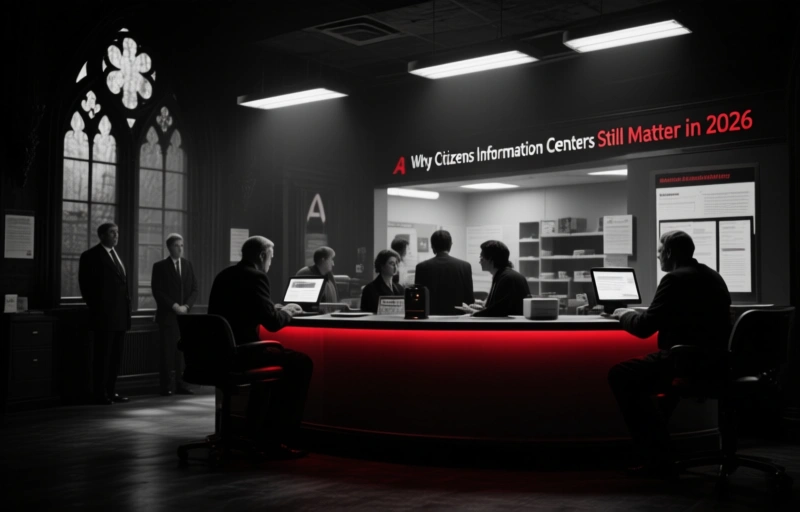
Citizens information centers remain vital in 2026, offering personalized help for those overwhelmed by digital bureaucracy. They bridge the digital divide with human empathy and real solutions.
### The Digital Divide Is Real
You'd think by 2026, everyone would have all the info they need right in their pocket. And sure, most of us do. But here's the thing—knowing where to look and actually understanding what you find are two very different skills. Citizens information centers still fill that gap. They're not outdated relics. They're lifelines for people who get lost in the maze of government websites, confusing forms, and jargon-heavy policies.
Think about it. When was the last time you tried to figure out a tax form or a benefits application online? It can be a nightmare. Now imagine being older, not super comfortable with tech, or maybe English isn't your first language. That's where these centers shine. They offer a human touch that no algorithm can replicate.
### What These Centers Actually Do
These aren't just places to grab a pamphlet. They provide real, personalized help. Here's a quick look at the kind of support they offer:
- Helping people apply for Social Security or Medicare benefits
- Explaining complex legal documents in plain English
- Offering guidance on housing assistance and rental aid
- Connecting folks with local resources like food banks or job training
- Assisting with voter registration and understanding voting rights
Each interaction is tailored. No two visitors walk in with the same question. And the staff? They're trained to listen first, then solve. That's something a chatbot still can't do well.

### Why Digital Alone Isn't Enough
Sure, you can find a lot online. But information overload is real. A quick search for "how to apply for disability benefits" returns millions of results. Which one is legit? Which one is current? Which one applies to your specific situation? Citizens information centers cut through that noise. They give you the straight answer, no fluff.
Plus, not everyone has reliable internet. According to recent data, about 7% of U.S. households still don't have broadband access. That's millions of people. And even among those who do, many lack the digital literacy to navigate government portals. These centers bridge that gap every single day.
### The Human Element Matters
Here's a thought: when you're stressed about money, health, or housing, the last thing you want is to talk to a robot. You want a real person who gets it. Someone who can say, "I've helped a dozen people with this exact problem. Here's what we do." That empathy is irreplaceable.
I've seen it myself. A friend of mine lost her job last year and had no idea how to apply for unemployment. She tried online and got so frustrated she almost gave up. Then she walked into a local center. Forty minutes later, she had a completed application and a list of nearby job fairs. That's not just service. That's community.
### The Bottom Line
Citizens information centers aren't competing with the internet. They're complementing it. They serve as the human safety net for when digital tools fall short. In 2026, with so much change happening so fast, that role is more important than ever. So if you ever feel stuck, overwhelmed, or just need a straight answer, don't hesitate to walk into one. They're there for you.