Workout Attire: Does What You Wear Actually Matter?
Carmen López ·
Listen to this article~4 min
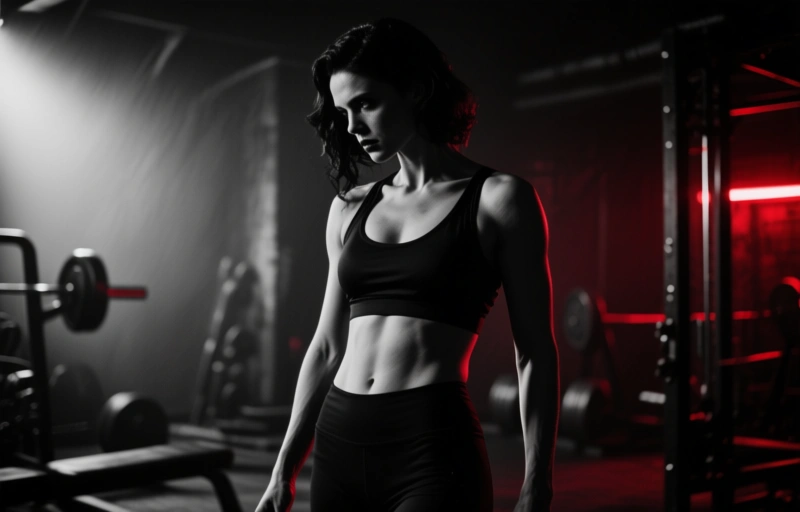
Wondering if your workout clothes make a difference? We explore the real impact of attire on comfort, performance, and mindset. Discover what truly matters for your fitness routine.
So, you're standing in front of your closet, staring at a pile of old t-shirts and those leggings you've had for years. You're about to head to the gym or go for a run, and the question pops into your head: does it really matter what I wear to work out?
Honestly, it's a great question. We've all seen the ads for high-tech fabrics and shoes that promise to transform your performance. But is it all marketing, or is there something to it? Let's break it down, friend to friend.
### The Comfort Factor Is King
First things first, comfort isn't just a nice-to-have; it's essential. If your clothes are chafing, too tight, or too loose, your mind won't be on your workout. It'll be on that annoying seam or the waistband digging into your skin.
You want fabrics that move with you. Think about the difference between a stiff cotton shirt and a soft, stretchy synthetic blend. One feels like a straightjacket during a squat, the other feels like a second skin. That freedom of movement? It lets you focus on your form and your breathing, not your outfit.

### Performance and Safety Go Hand-in-Hand
This is where your gear starts to matter more than you might think. The right shoes are the best example. Running in old, worn-out sneakers on pavement is a recipe for shin splints or knee pain. Proper support can make a world of difference.
And it's not just shoes. For high-intensity workouts, moisture-wicking fabric can help keep you cool and dry. No one likes being drenched in sweat that just sits there. It's uncomfortable and can even lead to chafing or skin irritation over long distances.
- **Footwear:** Invest in activity-specific shoes. Running shoes for running, cross-trainers for the gym floor.
- **Fabric:** Look for terms like "moisture-wicking" or "quick-dry" for intense sessions.
- **Fit:** Clothes shouldn't restrict movement but also shouldn't be so baggy they get caught on equipment.
### The Psychology of Your Workout Gear
Here's a tangent I find fascinating. What you wear can actually influence how you feel. It's not about vanity. Putting on clothes designated for exercise can be a mental signal. It tells your brain, "Okay, it's time to focus. It's go time."
It's the difference between lounging in pajamas and putting on your workout kit. One mindset is for relaxation, the other is for action. That little ritual can boost your motivation before you even take the first step.
> "The right gear won't do the work for you, but it can remove the excuses that stand in your way."
### So, What's the Verdict?
Does it matter? Yes, but maybe not in the way the flashy ads suggest. You don't need the most expensive brand-name outfit to have a great workout. The core principles are comfort, functionality, and safety.
Start with the basics. A few good pairs of socks, a supportive sports bra if you need one, and shoes that match your primary activity. From there, you can build a wardrobe that makes you feel confident and ready to move.
Remember, the best workout attire is whatever gets you moving consistently and safely. If that's a decade-old concert t-shirt and shorts, more power to you. If you feel better and perform better in technical fabrics, that's valid too. The goal is to move your body and feel good doing it. Everything else is just details.
Listen to what your body tells you during and after your workout. Discomfort is a sign to adjust. At the end of the day, the most important thing is that you showed up. What you wore is just part of your personal story of getting it done.